5 Best Times to Replace Rubber Crutch Tips?

Time:2026-09-11 Author:Oliver
0%

When should I replace the rubber tips on my crutches? This question deserves more attention than it usually receives. Those small rubber ferrules control traction between your crutches and the floor. If they become smooth, cracked, hardened, or uneven, each step can feel less stable. A damp bathroom floor makes the problem worse.

Rehabilitation specialist Dr. Steven L. Wolf offers a practical reminder: “A worn tip can change your balance before the damage looks severe.” That warning matters during recovery. A tip may still appear attached while its bottom has flattened or lost its tread. Sometimes, hidden wear is the real concern.

This guide examines five important replacement times, including visible cracking, reduced grip, and changes in walking comfort. It also considers heavy daily use, outdoor surfaces, and exposure to heat or moisture. There is no universal replacement date. Usage patterns differ. That part is easy to overlook.

Check both crutch tips before each use. Run a finger around the rubber edge, but do not rely on touch alone. Look for separation, wobbling, discoloration, or embedded stones. If one tip looks worse, replace both when possible. Matching tips usually provide more consistent support.

A small mistake can matter. I have seen people postpone replacement because the rubber “still looks usable.” That judgment can fail quickly on polished tile. When doubt remains, ask a physical therapist, pharmacist, or medical-equipment professional to inspect the tips. Safe mobility depends on details that are easy to dismiss.
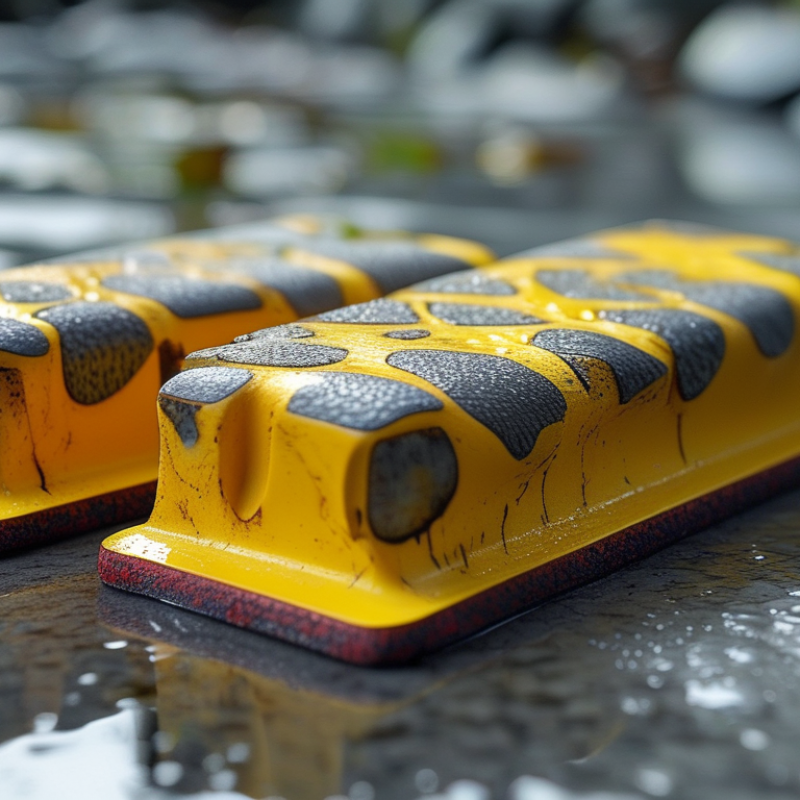
5 Best Times to Replace Rubber Crutch Tips?

When the Rubber Tip Shows Visible Wear or Damage

5 Best Times to Replace Rubber Crutch Tips?

When the rubber tip shows visible wear or damage, replacement should not wait. Look at the contact surface before each use. Replace it when the tread is smooth, cracked, split, or thinner on one side. A small tear can grow after repeated pressure. Do not trust appearance alone. Press the tip gently against the floor and check for unusual softness or movement.

There are five practical warning times. Change the tip after visible cracking, after a deep cut, when the bottom becomes uneven, when it slips on clean flooring, or when the rubber no longer fits tightly around the crutch leg. Wet floors can expose weak traction quickly. So can stairs and polished surfaces. The tip should sit flat, without rocking. A loose fit needs attention immediately.

I once underestimated a narrow side crack because the tip still looked usable. That judgment was poor. The rubber failed sooner than expected during a routine walk. Check the metal shaft too, since damage may hide beneath the tip. Replace both tips if wear is uneven, unless a qualified healthcare professional advises otherwise. Use the correct size, and test the crutch slowly on a dry, stable floor. Keep spare tips available, because waiting for complete failure creates an avoidable risk.

When the Crutch Tip Loses Its Grip on Smooth Surfaces

5 Best Times to Replace Rubber Crutch Tips

Rubber crutch tips need replacement when they lose grip on smooth surfaces. A polished floor, wet tile, or painted concrete can expose this problem quickly. If the tip slides during a careful weight shift, stop using it until the tip is checked. That is the first warning sign.

Replace the tip when its tread becomes shallow, uneven, or visibly worn. Small cracks around the rim also matter. They can widen when the rubber bends under pressure. A flattened base may look harmless, but it reduces contact with the floor. Check the tip after heavy daily use, especially if you walk outdoors.

Hard rubber is another clear reason. Older tips may feel stiff, glossy, or brittle instead of flexible. Dirt, oil, and cleaning chemicals can also make the surface slippery. Wash the tip with mild soap, then let it dry fully. If it still slides, replace it. Do not rely on appearance alone. A quick glance can mislead.

The fifth time is after any sudden slip, fall, or strong impact. Even without visible damage, the internal fit may have changed. People often wait for a hole to appear. That habit is understandable, but not very safe. A physical therapist or mobility specialist can assess the crutch height, tip fit, and walking surface together. Replacement tips should match the crutch size and sit firmly without twisting. Fresh rubber helps, but careful testing remains necessary.

When Crutch Tips Become Hardened, Brittle, or Misshapen

5 Best Times to Replace Rubber Crutch Tips?

When Crutch Tips Become Hardened, Brittle, or Misshapen

Rubber crutch tips can look acceptable while their grip quietly declines. The safest replacement decisions begin with texture, shape, and floor contact. Replace a tip when the rubber feels hardened, glossy, or unusually stiff. Hard rubber cannot flex properly on smooth tile. That matters. Replace it again when cracks appear, even if they look shallow. Small splits can widen during weight-bearing.

A third warning is a misshapen base. Replace the tip if it becomes flattened, tilted, swollen, or uneven. An uneven edge may make the crutch rock. Replace worn tread when grooves disappear or the base becomes visibly thin. Do not wait. Finally, replace tips after prolonged exposure to heat, sunlight, oil, or harsh cleaning chemicals. These conditions can age rubber faster than expected.

Check both tips weekly, especially after frequent outdoor use. Press the rubber gently and inspect the entire rim for cuts or distortion. Compare each tip with a new, properly shaped one when possible. Use the correct replacement size, and ask a qualified healthcare professional if fit or stability seems uncertain. One honest reminder: replacement timing is not perfectly predictable. Floor type, body weight, walking style, and storage all change wear. That uncertainty deserves attention, not guesswork.

When Uneven Wear Affects Crutch Stability and Balance

5 Best Times to Replace Rubber Crutch Tips?

Uneven wear can quietly change how a crutch meets the floor. Inspect the tips weekly, especially after frequent outdoor use. Replace them when the bottom looks slanted, flattened, or thinner on one side. A tilted tip may reduce contact and make your balance feel uncertain. That small shift matters.

Replacement is also sensible when you notice cracks, splits, hardening, or loose rubber. Do not wait for the inner tube to show. Replace a tip after it starts slipping on a clean, dry floor. Another warning appears when the tip no longer sits flat while the crutch is upright. Finally, replace it after oil, solvents, or other substances soften or damage the rubber. Clean it safely, but do not rely on cleaning to restore worn material.

From routine mobility-equipment checks, I have learned that users often notice noise before damage. A faint squeak can come from grit, while a sliding sensation deserves more attention. Check both tips together; uneven pairs can create different heights and loading patterns. If one tip wears faster, examine the crutch shaft, handgrip position, and walking surface. I once underestimated a small edge tear, and it worsened quickly. That was a useful reminder, though not a perfect test. A physical therapist or mobility specialist can assess fit, gait, and safe replacement timing.

When Recommended Replacement Intervals or Usage Conditions Require It

5 Best Times to Replace Rubber Crutch Tips?

Rubber crutch tips need replacement when their tread becomes smooth, uneven, or visibly thin. Small defects matter. Check them before each use, especially after walking on wet pavement, gravel, or polished floors. A loose tip, deep crack, or exposed inner material can reduce traction and make the crutch less stable. Do not wait.

For regular users, a monthly inspection is practical, while replacement may be appropriate every six to twelve months. This interval is only a guide. Daily users, heavier users, or people who place strong pressure on one side may need new tips much earlier. If the tip feels hard instead of flexible, replace it. Rubber can age during storage, particularly in hot cars, direct sunlight, or damp areas.

Replace both tips when wear is noticeably different between them. Uneven height can alter balance and encourage awkward wrist or shoulder movement. After a fall or sudden slip, inspect the tip and the crutch shaft carefully, even when damage is not obvious. In practice, users often focus on the handle and overlook the small rubber base. That habit deserves reconsideration. A healthcare professional or mobility specialist can assess unusual wear, poor fit, or repeated slipping. Their advice matters more than a fixed calendar date.

FAQS

: When should rubber crutch tips be replaced?

: Replace them when they slide, crack, flatten, harden, or lose their tread. Do not wait for a hole.

What does slipping on a smooth floor indicate?

It may indicate worn or contaminated rubber. Test the tip on a clean, dry floor. If it still slides, replace it.

How can uneven wear affect balance?

A slanted or thinner side reduces floor contact. The crutch may feel tilted during weight shifts. That small change can disturb balance.

Should I replace a tip after a fall?

Yes, inspect it after any slip, fall, or strong impact. Hidden damage may affect the internal fit. Visible damage is not required.

How often should crutch tips be inspected?

Check them before use when conditions are difficult. Monthly inspections suit many regular users. Outdoor users may need weekly checks.

How long do rubber crutch tips usually last?

Six to twelve months is only a rough guide. Daily use, heavy pressure, heat, and sunlight can shorten that time. A calendar can mislead.

Can washing restore a slippery crutch tip?

Mild soap may remove dirt, oil, or cleaning residue. Dry the tip completely afterward. Worn rubber will not become new again.

Should both crutch tips be replaced together?

Replace both when their wear or height differs noticeably. Matching tips support more even loading. Check the shaft if one tip wears faster.

Conclusion

Knowing when to replace rubber crutch tips is essential for safe, stable mobility. When should I replace the rubber tips on my crutches? Replace them as soon as you notice visible cracks, tears, holes, or significant surface wear. A tip that no longer grips smooth floors can increase the risk of slipping, especially on tile, polished wood, or wet surfaces. You should also replace crutch tips when the rubber becomes hard, brittle, flattened, or misshapen, since these changes reduce shock absorption and traction.

Uneven wear is another important warning sign. If one side is worn more than the other, your crutches may become unstable and affect your balance or posture. Finally, follow the replacement schedule recommended for your equipment and consider replacing the tips sooner if they are used frequently, outdoors, or in demanding conditions. Regularly checking the tips helps maintain reliable support and safer everyday use.

Oliver

Oliver

Oliver is a seasoned marketing professional with a wealth of expertise in driving brand awareness and engagement. With a deep understanding of our company's product offerings, he consistently delivers high-quality content that enriches our professional blog. His insights not only shed light on......