How to Use a Crutch Properly Without Hurting Your Armpits?

Time:2026-05-05 Author:Ethan
0%

Using crutches can be a necessary part of recovery. However, many users face discomfort in their armpits. Knowing how to use a crutch properly without hurting your armpits is essential for a smoother healing process.

The right technique can greatly reduce pain. Adjusting the height of the crutches is a vital step. Your elbows should be slightly bent when holding the grips, and your weight should not rest on your underarms. Instead, focus on using your hands for support. This simple adjustment can alleviate pressure.

Moreover, using a cushion on the crutch pads can provide extra comfort. When navigating stairs or uneven surfaces, be mindful of your posture. Leaning too much can lead to strain. It’s crucial to pay attention to how your body feels. Discomfort may be a signal to reevaluate your technique. Be patient with yourself as you learn the correct way.
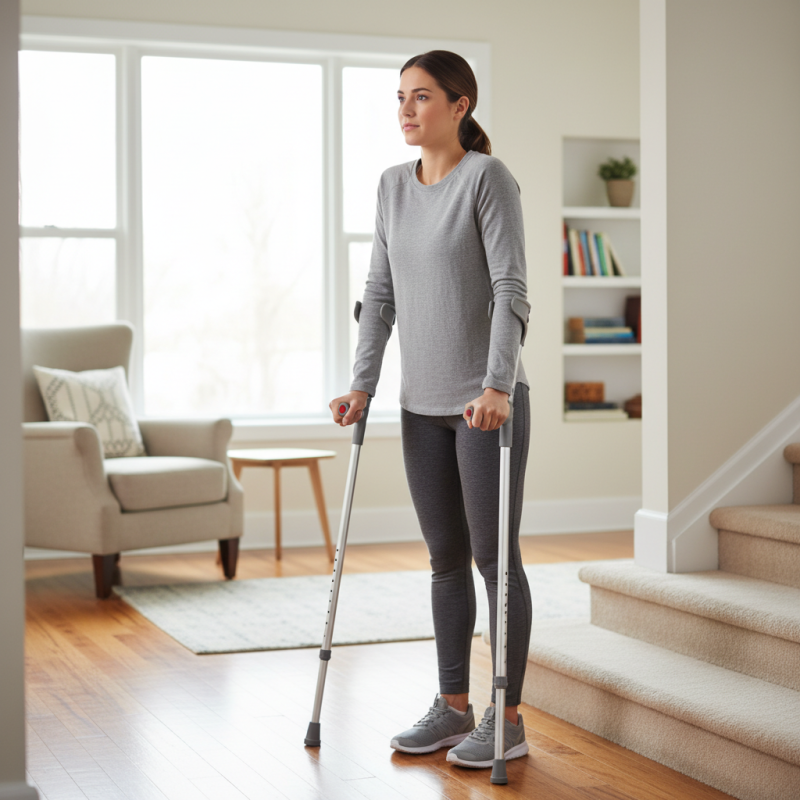
How to Use a Crutch Properly Without Hurting Your Armpits?

Understanding the Purpose of Crutches in Mobility Assistance

Crutches serve a vital role in mobility assistance. They help individuals who have temporary or permanent impairments. Proper use of crutches can prevent further injury and enhance recovery. Understanding how to use them effectively is key.

Using crutches can seem straightforward, but many don't realize the importance of positioning. Place the crutch under your armpit, but not too tightly. This prevents unnecessary pressure on sensitive areas. Keeping your weight distributed on your hands helps in maintaining balance.

Tips: Always adjust your crutches to the correct height. This will help you stand tall and avoid leaning forward. Check your arm's angle. A slight bend is ideal. Practice walking with crutches on an even surface before tackling stairs or uneven terrain. Remember, using crutches may feel awkward at first. It's a learning process that requires patience. Focus on your movements and listen to your body to improve your technique.

Selecting the Right Crutch Size for Optimal Comfort

Selecting the right crutch size is critical for ensuring comfort and functionality. Research from the American Physical Therapy Association indicates that improperly sized crutches contribute to discomfort and injury. For example, using crutches that are too tall can create excessive pressure on the underarms, leading to pain and potential nerve damage. Likewise, crutches that are too short will force users to hunch over, causing strain on the back and shoulders.

To measure the ideal crutch height, stand straight and allow the crutches to rest under your arms. The handgrips should align with your wrists when your arms hang comfortably by your sides. Additionally, there should be around two to three finger widths of space between the crutch pad and the armpit. This small adjustment can prevent unnecessary irritation and ensure greater stability while walking.

Many users overlook these details, often opting for convenience over proper fit. It’s vital to recognize that even a slight miscalculation can result in significant discomfort. Regularly evaluate the fit as body weight and requirements change. Small adjustments can mean the difference between a smooth recovery and prolonged discomfort. Listening to your body and ensuring the right fit will lead to a more effective healing process.

Proper Crutch Grip Techniques to Minimize Armpit Pressure

Using crutches can be challenging, especially when it comes to armpit comfort. Many users report discomfort due to improper grip techniques. According to healthcare studies, improper use can lead to pressure injuries in 30% of crutch users. To avoid this issue, mastering a proper grip is essential.

A good grip starts with positioning. The top of the crutch should fit snugly under your armpit, but not be pressed tightly against it. Keep your elbows slightly bent. Your hands should grip the handrails. This position distributes weight evenly. Keeping your body aligned can reduce pressure significantly.

Tips for comfort: Adjust the crutches to your height. Crutches should be about two inches below your armpits. When using crutches, shift your weight to your hands, not your armpits. This minimizes discomfort. Additionally, practice walking slowly at first to find your balance. Improper technique can lead to long-term issues, like nerve damage. Taking the time to adjust your grip will pay off in comfort.

Correct Crutch Walking Techniques to Ensure Stability

Using crutches correctly is essential for maintaining stability and comfort. Proper technique reduces the risk of pain and injury. Research indicates that up to 70% of crutch users experience some form of discomfort initially. To avoid this, focus on your grip and posture.

When walking with crutches, place them under your arms but avoid resting your weight on them. Engage your core for stability. Shift your weight to your stronger leg while moving the crutches forward. Aim for a triangular stance, with the crutches forming a stable base. This technique enhances balance and control, essential for safe movement.

**Tips:**
Ensure the crutches are adjusted to your height. This reduces strain on your armpits and wrists.
Practice walking on flat surfaces before tackling stairs or uneven terrain.
Listen to your body. Pain is a signal that adjustments may be necessary.

Be mindful of your environment. Crowded spaces can pose challenges. You may need to navigate obstacles carefully. Taking it slow can lead to better outcomes in crutch mobility.

How to Use a Crutch Properly Without Hurting Your Armpits?

Technique Description Benefits
Proper Height Adjustment Ensure crutches are adjusted to the correct height to avoid armpit discomfort. Reduces strain on your upper body.
Using Grip Cushions Attach soft grips to crutches for better comfort. Prevents blisters and improves handling.
Correct Walking Technique Place crutches one step ahead and bear weight through arms. Enhances stability and reduces fall risk.
Regular Breaks Take frequent breaks to relieve pressure on your arms and shoulders. Helps prevent fatigue and soreness.
Footwear Consideration Wear supportive shoes with good grip for safety. Improves balance and mobility.

Maintaining Crutch Use to Avoid Discomfort and Injury

Using crutches correctly is essential for comfort and safety. Many people experience discomfort in their armpits during crutch use. This discomfort can lead to injuries and hinder mobility. To maintain a proper grip, ensure that your crutches are the right height. When the crutch is positioned correctly, your elbows should be slightly bent. Adjustments can make a significant difference.

A common mistake is putting too much weight on the crutch tops. This can cause chafing and soreness. Instead, distribute your weight evenly through your hands. Place your palms flat on the grips to alleviate pressure on your armpits. Take frequent breaks to relieve tension and reassess your posture. You might find it useful to wear padded grips to add comfort.

Using crutches also means navigating different surfaces. Be cautious when moving from indoors to outdoors. Uneven ground can challenge your balance. Practice walking on various terrains to build confidence. Regularly check your crutches for wear and tear. Sometimes, small adjustments lead to significant comfort improvements. Remember, it's okay to feel discomfort and rethink your approach. Adapting your techniques will enhance your crutch experience.

Crutch Usage and Discomfort Levels

This chart illustrates the discomfort levels experienced by users of crutches over a period of five weeks. As crutch usage continues, discomfort tends to gradually increase, making it crucial to adopt correct usage techniques to minimize pain and injury.

FAQS

: Why are crutches important for mobility assistance?

: Crutches help individuals with impairments maintain mobility and prevent further injury during recovery.

How should crutches be positioned under the arms?

Crutches should rest under the armpit but not too tightly, preventing pressure on sensitive areas.

What is the correct height for crutches?

Crutches should align with the wrist when arms are hanging. Two to three finger widths space is ideal.

What common mistakes do users make with crutch sizing?

Many users prioritize convenience over proper fit, leading to discomfort and potential injury.

What is a crucial technique for using crutches?

Engage your core, shift weight to your stronger leg, and maintain a triangular stance with the crutches.

How can users improve their crutch walking technique?

Practice on flat surfaces and listen to your body. Adjustments may be needed if you feel pain.

What can happen if crutches are the wrong size?

Incorrectly sized crutches can lead to excessive pressure on the underarms or strain on the back.

Why is it important to evaluate crutch fit regularly?

Body weight and needs may change, requiring adjustments to ensure comfort and effective healing.

How should one navigate crowded spaces while using crutches?

Take it slow and be cautious of obstacles, as crowded areas can complicate crutch mobility.

What is the most common initial experience of crutch users?

About 70% of users report some discomfort when they first start using crutches.

Conclusion

In the article titled "How to Use a Crutch Properly Without Hurting Your Armpits?", various essential aspects of crutch usage are discussed to enhance user comfort and mobility. It begins with an understanding of the purpose of crutches in providing mobility assistance, emphasizing the importance of selecting the right crutch size for optimal comfort. Proper grip techniques are highlighted to minimize pressure on the armpits, which is a common concern for many users.

The article further elaborates on correct walking techniques that ensure stability while using crutches, which can significantly contribute to a safer experience. Finally, maintaining a mindful approach to crutch use is discussed to help avoid discomfort and potential injury. By following these tips, individuals can learn how to use a crutch properly without hurting their armpits, leading to a smoother recovery or mobility experience.

Ethan

Ethan

Ethan is a seasoned marketing professional with a deep expertise in our company's innovative product line. With a passion for sharing knowledge and insights, he takes the lead in regularly updating our corporate blog, where he explores industry trends, product features, and effective marketing......