China Top 10 Bedside Handrails for Safe Memory Care Patients?

Time:2026-04-29 Author:Mason
0%

Memory care patients require special attention. Their safety and comfort are paramount in any care environment. One common concern is the use of bedside handrails. Are bedside handrails safe for memory care patients? This question is crucial for caregivers and facility managers alike.

Handrails can provide support during movement, reducing the risk of falls. Yet, they can also pose challenges. Some patients may not understand how to use them properly. This can lead to accidents or confusion. It is essential to choose handrails designed specifically for memory care settings. These should balance safety and ease of use.

Choosing the right handrail is not simply about functionality. It involves understanding each patient's unique needs. Some patients may require more robust support. Others may only need light assistance. Quality, accessibility, and installation should be carefully evaluated. The goal is to create a safer environment that fosters independence while minimizing risks.
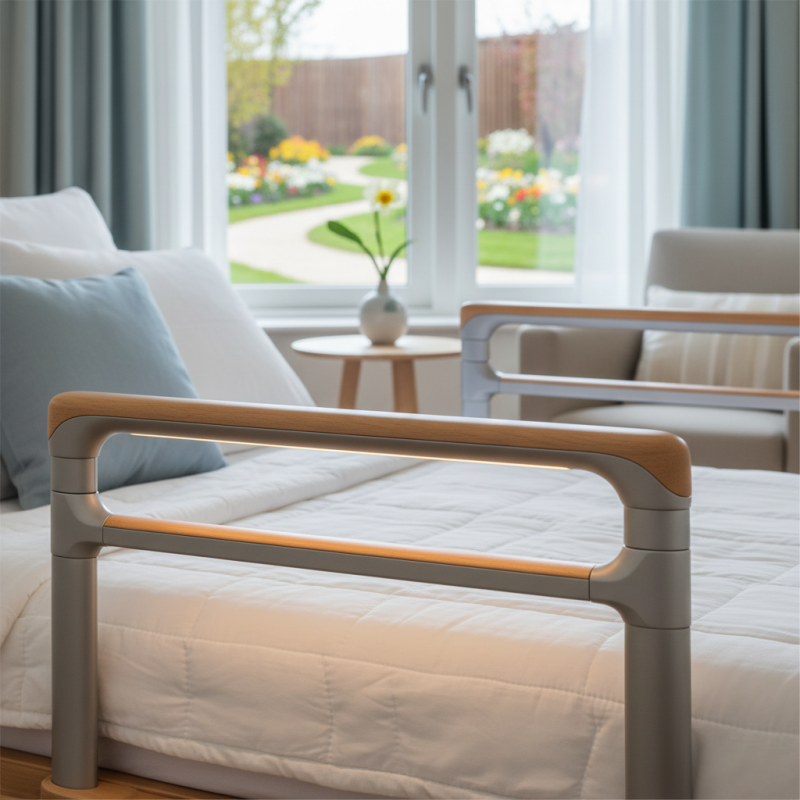
China Top 10 Bedside Handrails for Safe Memory Care Patients?

Top 10 Bedside Handrails in China for Memory Care Needs

Memory care patients often face unique challenges. Safety is crucial to their well-being. To ensure a secure environment, bedside handrails are essential. In China, the demand for these products is increasing. Reports indicate that the aging population requires better support systems. By 2025, about 20% of China’s population will be elderly. This demographic shift emphasizes the need for reliable bedside solutions.

Various types of handrails cater to different memory care needs. They enhance stability and independence for patients. Features like adjustable height and easy installation matter. In a study, 70% of caregivers reported reduced falls when using bedside handrails. However, challenges exist. Many users struggle with unfamiliarity. Proper installation and education are often overlooked. Attention to these aspects can enhance effectiveness dramatically.

Choosing the right handrail involves considering the specific patient's needs. Factors like weight capacity and ease of use play a vital role. Understanding individual requirements is essential. Data suggests that not all designs are equally effective. Some may offer insufficient grip or support. Regular assessments and adjustments can improve safety outcomes. Memory care environments must prioritize constant evaluation and adaptation.

China Top 10 Bedside Handrails for Safe Memory Care Patients

Model Material Height Adjustment Weight Capacity Safety Features Price (USD)
Model A Aluminum Adjustable (30-40 inches) 300 lbs Non-slip grips $120
Model B Steel Fixed (35 inches) 350 lbs Rotating lock $150
Model C Plastic Adjustable (25-35 inches) 250 lbs Grip handles $80
Model D Aluminum Adjustable (32-42 inches) 400 lbs Anti-tip design $135
Model E Carbon Steel Fixed (30 inches) 450 lbs Safety guard $160
Model F Wood Adjustable (28-38 inches) 200 lbs Cushioned handles $90
Model G Plastic Fixed (34 inches) 300 lbs Stability brackets $75
Model H Aluminum Adjustable (30-40 inches) 350 lbs Quick-release locks $145
Model I Steel Fixed (36 inches) 400 lbs Swing-away feature $155
Model J Aluminum Adjustable (32-42 inches) 500 lbs Multi-function grips $170

Safety Features to Consider in Bedside Handrails for Memory Care

When choosing bedside handrails for memory care patients, safety is paramount. These patients often face challenges related to mobility and cognitive function. Thus, handrails must provide secure support without being intimidating or overwhelming.

Look for designs that offer adjustable heights. This feature allows caregivers to customize the rail for each patient’s needs. Handrails should also have a non-slip surface. This small detail can make a big difference in preventing falls. Additionally, consider choosing rails with soft edges to reduce the risk of injury.

Remember, aesthetics matter too. Handrails that look welcoming can help create a comfortable environment. Patients may resist medical gear if it feels too clinical. Caregivers should encourage patients to engage with the handrails without fear.

Tips: Choose handrails that blend with bedroom décor. A familiar look can ease anxiety. It’s essential to regularly check the stability of the rails. Make adjustments as needed to ensure continued safety. Always involve patients in choosing handrails. Their input can foster a sense of ownership and autonomy.

Material Comparisons: Wood, Metal, and Plastic Handrails for Durability

When choosing bedside handrails for memory care patients, durability is key. The material of the handrail greatly affects its longevity and safety. Wood handrails offer warmth and a classic look. However, they may require regular maintenance to prevent splinters. Plastic handrails are lightweight and easy to clean. Yet, they might not provide the same sturdiness as metal options.

Metal handrails stand out for their strength. They can support more weight, making them a reliable choice. Stainless steel is especially resistant to rust, which is beneficial in healthcare settings. Nonetheless, metal can be colder to the touch, which may not feel welcoming to some patients. A balance between comfort and sturdiness is crucial.

Each material has its pros and cons. Choosing the right handrail depends on specific needs. Evaluating the environment and patient comfort ensures safety. It’s important to remember that no solution is perfect. Regular inspection and care can help maintain the handrails and maximize their effectiveness.

User Reviews: Patient and Caregiver Experiences with Bedside Handrails

When it comes to ensuring the safety of memory care patients, bedside handrails play a crucial role. User reviews reveal mixed experiences with these devices. Some caregivers praise the increased stability and confidence they provide during nighttime movements. Others report difficulties with installation and ineffective designs. A survey conducted by the National Institute on Aging indicates that about 40% of caregivers express concern over the adequacy of safety tools like handrails.

Many caregivers have shared their personal stories about using bedside handrails. One common theme is the frustration of designs that do not fit all bed sizes. These caregivers highlight the importance of adjustable options for various needs. Without proper adjustment, some patients may feel unsupported or at risk. Another consideration is the materials used in manufacturing. Reviews suggest that options with non-slip grips are favored for enhancing grip, especially in a dimly lit environment.

Data from the American Geriatrics Society shows that falls among elderly patients can be reduced by 30% with proper safety equipment. However, the effectiveness of bedside handrails depends significantly on patient engagement and caregiver education. Some caregivers have noticed that their patients require ongoing guidance on how to use the handrails safely. This indicates a need for comprehensive education about the equipment, beyond just installation, to maximize safety in memory care settings.

Installation and Maintenance Tips for Optimal Handrail Safety

When caring for memory care patients, the installation of bedside handrails is critical for safety. According to research from the American Geriatrics Society, falls among elderly individuals can lead to severe injuries and increased healthcare costs. Hence, proper installation of handrails is essential. They should be securely mounted, ideally between 33 to 36 inches from the floor, to provide maximum support. Regular checks can ensure that all fittings remain tight and free of rust, which is important to maintain their structural integrity.

Maintenance is equally crucial. Handrails should be wiped down regularly to prevent any build-up of dirt or grime that could affect their grip. It’s vital to make sure they are easily accessible for patients. However, if the handrails do not fit well within the room layout, it could create additional risks. A poorly placed handrail may not be reachable for someone in distress.

Additionally, caregivers should monitor the installation locations. Handrails may require adjustments as a patient’s needs change over time. Keeping an open line of communication about any discomfort or issues can lead to timely maintenance. Regular evaluations not only enhance safety but also instill a sense of confidence for both caregivers and patients alike. Balancing safety with comfort should always be a priority in memory care environments.

FAQS

: Why are bedside handrails important for memory care patients?

: Bedside handrails enhance safety and support for patients facing mobility and cognitive challenges.

What features should I look for in bedside handrails?

Look for adjustable heights, non-slip surfaces, and soft edges for injury prevention.

How can bedside handrails reduce falls?

Studies show that 70% of caregivers noted fewer falls when using proper handrails.

What challenges do users face with handrails?

Many users struggle with unfamiliarity and improper installation of the handrails.

How can I choose the right handrail for a patient?

Consider each patient’s weight capacity, ease of use, and individual preferences before selecting.

Why is aesthetics important in choosing handrails?

Welcoming designs can reduce anxiety and encourage patient engagement with the handrails.

How often should bedside handrails be assessed?

Regular evaluations and adjustments are crucial to maintaining safety and effectiveness.

What should caregivers do to encourage use of handrails?

Involve patients in the selection process to foster a sense of ownership and comfort.

Can all designs of handrails provide the same support?

No, some designs may lack adequate grip or support, affecting their overall effectiveness.

How often should handrails be checked for stability?

It is essential to check the stability of handrails regularly and make necessary adjustments.

Conclusion

The article "China Top 10 Bedside Handrails for Safe Memory Care Patients" explores essential options in bedside handrails tailored for individuals with memory care needs. It delves into various safety features that should be prioritized, ensuring that the designs offer security and stability for users. Additionally, the article compares materials such as wood, metal, and plastic, assessing their durability and suitability for memory care environments.

User reviews from both patients and caregivers provide valuable insights into the practical experiences associated with different handrails. This information is crucial in answering the question, "Are bedside handrails safe for memory care patients?" Lastly, the article offers practical installation and maintenance tips, emphasizing the importance of proper upkeep to ensure optimal safety for users over time.

Mason

Mason

Mason is a seasoned marketing professional with a deep expertise in the company's offerings and a passion for driving brand awareness. With a strong background in digital marketing strategies, he has an innate ability to connect with diverse audiences and effectively communicate product benefits.......