Transitioning from a walker to a cane can be a challenging process. It requires careful consideration of your current health status and physical ability. As Dr. Emily Carter, a renowned physical therapist, emphasizes, "How to transition from a walker to a cane safely? Understand your own limits and listen to your body."
Many individuals fear falling or losing stability. It’s crucial to approach this transition gradually. Start by practicing with the cane at home. This allows you to develop confidence in your new support method. Adjusting to a cane takes time and practice. You might feel unsteady at first. Awareness of your surroundings is essential.
The best approach includes consulting a healthcare professional. They can provide personalized advice tailored to your needs. Remember that it's normal to experience discomfort during this change. Reflect on your progress and acknowledge small victories. A successful transition is not just about speed but also about safety and confidence.
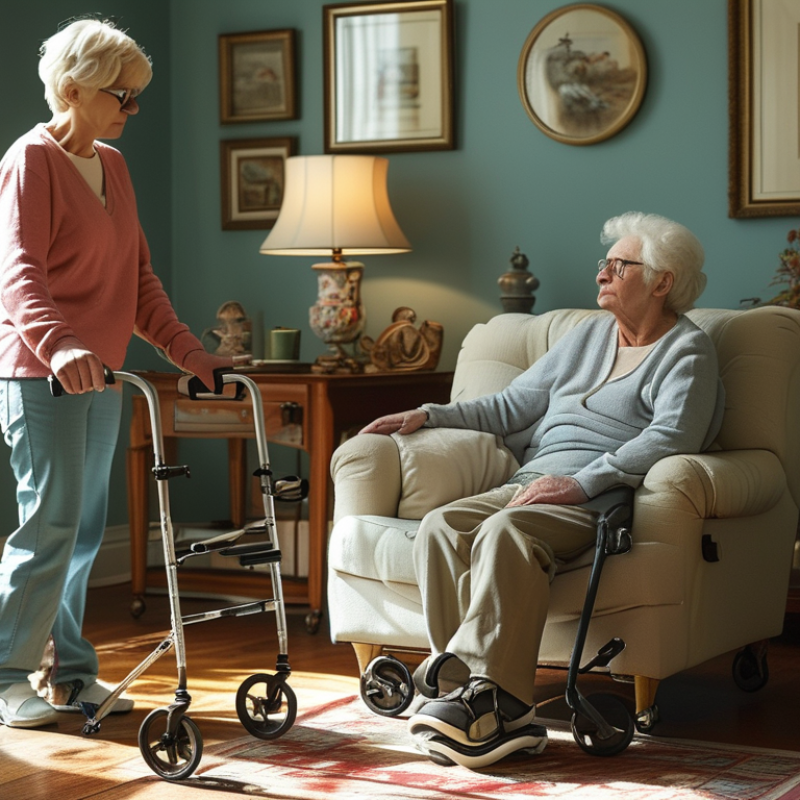
When considering mobility aids, it is crucial to understand the differences between a walker and a cane. Walkers provide more stability. They consist of four legs and offer a sturdy frame for support. This aid is beneficial for those with severe balance issues or reduced strength. Many people find comfort in using walkers indoors, as they can navigate tight spaces without fear. However, walkers can be bulky. They require more effort to maneuver, especially outdoors.
Canes, in contrast, are more versatile. They typically have one leg and a handle, making them easier to transport. A cane encourages users to maintain better posture while walking. It provides support on one side, which can enhance confidence. Many individuals initially hesitate to use a cane, fearing it signals a decline in mobility. This perception can create anxiety and reluctance to transition. Nevertheless, embracing a cane can empower users to reclaim independence and mobility.
Transitioning from a walker to a cane often requires practice and patience. It’s not a linear process. Some users may feel unsteady at first, experiencing moments of doubt. Regular exercises that focus on strength and balance can facilitate this shift. Consultation with healthcare professionals can also provide tailored advice. Always listen to your body and take the time needed for adjustments. This journey is personal and varies for everyone.
Transitioning from a walker to a cane can feel overwhelming. It’s essential to assess both your physical condition and emotional readiness. Start by consulting with a physical therapist. They can provide tailored advice based on your mobility needs. Observing your balance and strength during daily tasks is crucial. Can you stand without support for a moment? Can you walk short distances independently? These small victories indicate readiness.
Pay attention to your feelings about using a cane. Some people feel insecure, while others embrace the change. Trying out a cane in a safe environment can help. Practice in your home or a quiet area. Make sure to choose a cane that feels comfortable and supports you well. Remember, it’s natural to have concerns or fears. It’s okay to take your time and reflect on your progress. Celebrate small achievements along the way.
Transitioning from a walker to a cane can be a significant step in regaining independence. Preparing for this shift involves understanding both physical and mental aspects. Getting comfortable with a cane can enhance mobility and confidence.
Start by practicing with your cane at home. Choose a space where you feel safe. Walk slowly and focus on your balance. You may feel unsteady at first, and that's okay. Gradual exposure is key. Canes offer support, but they also challenge balance. It might feel awkward initially.
Tips:
1. Ensure your cane is the right height. Your elbow should bend slightly when holding it. This prevents strain.
2. Practice transferring weight. Shift your body between legs while using the cane. This builds strength over time.
3. Use mirrors to check your posture. Keeping a straight back aids balance. You might notice tendencies to lean. Adjust as needed.
Embrace small victories, like taking a few steps with confidence. Reflect on your progress regularly. Fear may linger, but each step builds momentum.
Transitioning from a walker to a cane can be a challenging process. It's essential to learn proper cane usage techniques to ensure safety and support. Start with choosing the right cane. The height should be just below your hip bone, providing a comfortable grip. A cane too tall or short can lead to balance issues.
Practice walking with your cane indoors before venturing outside. Move the cane with the opposite foot. For example, if you're using the cane on your right side, step forward with your left foot. This pattern helps maintain balance and aids in movement. Keep your cane close to your body to avoid stumbling.
Here are some tips to enhance your transition:
Regular practice and proper use can significantly boost your confidence. Remember, the transition is not without difficulties. Reflect on your progress often and adjust your approach as needed.
Transitioning from a walker to a cane is a significant step in regaining mobility. It’s essential to monitor your progress closely. Each session should include self-assessment of your balance and confidence levels. Note the times when using a cane feels natural versus challenging. This awareness can guide your approach and highlight areas needing improvement.
Adjusting support needs is vital during this transition. A cane may not offer the same stability as a walker, and you might find yourself feeling less secure initially. Perhaps consider practicing in a familiar environment. This way, you can better gauge your comfort level. Over time, increase the complexity of your surroundings, such as uneven surfaces or crowded spaces.
It’s important to remain flexible. Some days will feel easier than others; this is normal. Don’t be disheartened if progress seems slow. Track minor victories and discuss your feelings with a healthcare professional. They can provide insights and adjustments tailored to your unique needs. Reflect on your experiences regularly. This reflection can illuminate what is working and where further support is needed.
| Date | Activity | Progress Status | Notes |
|---|---|---|---|
| 2026-01-15 | Initial Evaluation | Completed | Patient shows confidence with walker. |
| 2026-02-10 | Begin Cane Practice | In Progress | Cane is introduced, patient adjusting. |
| 2026-03-05 | Increase Walking Distance | Completed | Walked 100 meters with cane successfully. |
| 2026-04-01 | Monitor Stability | In Progress | Minor adjustments needed for comfort. |
| 2026-05-20 | Final Review | Pending | Goal to transition fully by next month. |
: Start by practicing at home in a safe space. Walk slowly and focus on balance.
Your elbow should bend slightly when holding the cane. This prevents strain on your arm.
Yes, it’s okay to feel awkward. Gradual exposure helps improve your confidence and balance.
Self-assess balance and confidence after each session. Note when it feels natural versus challenging.
Practice in familiar environments first. This allows you to gauge your comfort level more accurately.
Don’t be disheartened. Track small victories and discuss feelings with a healthcare professional for support.
Use mirrors to check your posture. A straight back helps with balance and can reduce leaning.
Fear may linger, but each step builds confidence. Reflect on your progress regularly for motivation.
Yes, increase the complexity of your surroundings gradually to challenge your balance further.
Regular reflection helps identify what works and where you need additional support. This is essential for growth.
Transitioning from a walker to a cane can be a crucial step in regaining mobility and independence for many individuals. Understanding the differences between these two types of support is essential, as is recognizing when it’s appropriate to make the change. This article outlines key strategies on how to transition from a walker to a cane safely, starting with an assessment of personal needs and capabilities.
Preparing for the transition involves practicing proper cane usage techniques and implementing tips to ensure safety. Individuals are encouraged to monitor their progress closely and be flexible in adjusting their support as required. By following these guidelines, individuals can make a confident move from a walker to a cane, enhancing their mobility while minimizing the risk of falls or injuries.

Iowa Medical