When it comes to using crutches, ensuring safety remains paramount. One crucial component often overlooked is the rubber tips. These small yet vital pieces provide the necessary traction for stability. According to Dr. Emily Harper, an orthopedic specialist, "Worn rubber tips can compromise your safety and mobility." This highlights the importance of monitoring their condition.
So, when should you replace the rubber tips on your crutches? Experts agree that visible wear and tear is a clear indicator. If you notice cracks, deep grooves, or thinning material, it’s time for a change. These signs reflect potential risks during use. Using crutches with damaged tips can lead to slips and falls, creating a hazardous situation. Regular checks can prevent these accidents.
Additionally, plan to replace rubber tips every six months, or sooner if you use them frequently. This guideline helps maintain optimal safety. Pay attention to the surfaces where you walk. If you navigate rough terrain or have daily use, your rubber tips will wear out faster. It’s essential to be proactive, as neglecting this simple task can lead to unfortunate consequences.
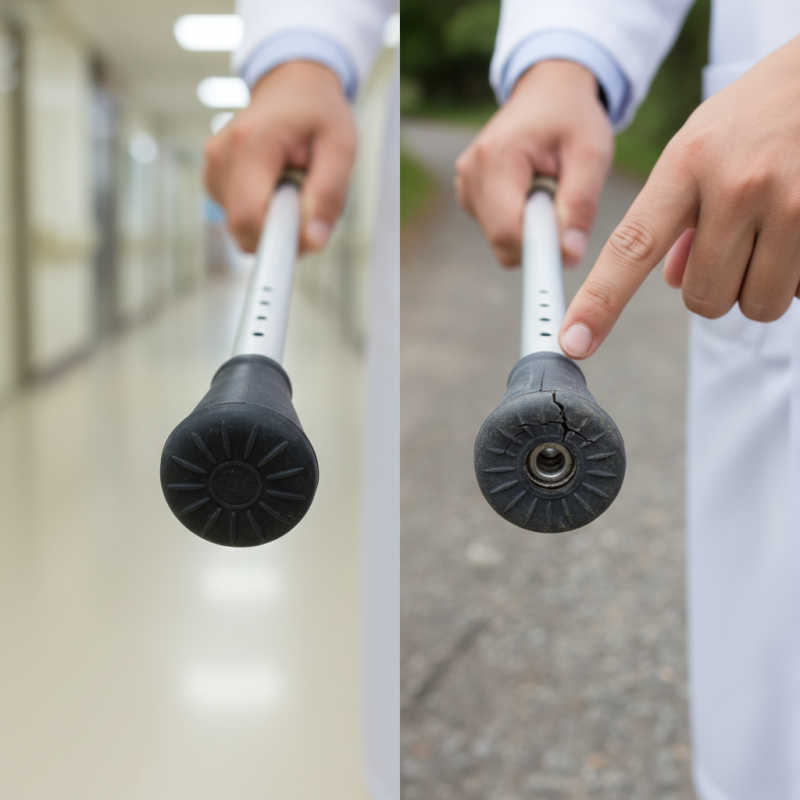
When using crutches, the rubber tips play a vital role in safety. Over time, these tips wear down, leading to potential hazards. If they appear cracked, torn, or flat, it's time for a replacement. Regularly inspecting the tips can prevent slips and falls, ensuring better balance and support.
Consider the frequency of use. If crutches are used daily, replacement may be needed sooner than expected. Environmental factors also play a part. Wet or uneven surfaces can accelerate wear. Check the tips for any signs of degradation after exposure to moisture or rough terrain.
Another aspect to ponder is the importance of proper fit. Ill-fitting tips can compromise stability. Rubber tips should fit snugly on crutch legs. If they seem loose or unstable, a replacement is necessary. While the idea of replacing tips may seem trivial, overlooking them can lead to accidents. Prioritizing safety means staying vigilant about the condition of your crutch rubber tips.
Rubber tips on crutches play a critical role in ensuring user safety. Over time, wear and tear can compromise their effectiveness. Industry reports indicate that frequent inspections are essential. Regular checks can help identify potential hazards and reduce falls.
Common signs of rubber tip deterioration include cracking, flattened surfaces, or excessive wear around the edges. According to a study, 70% of crutch-related accidents occur due to insufficient maintenance of rubber tips. Users often overlook minor damages. Yet, these tiny issues can lead to larger safety concerns.
When rubber tips lose their grip, the risk of slipping increases. This is particularly concerning when navigating stairs or uneven surfaces. An alarming statistic shows that users who replace tips only when they are severely damaged face a 50% greater chance of falling. It's important to assess the rubber tips regularly, even before visible damage appears, to ensure maximum stability and safety.
| Signs of Wear | Description | Recommended Action | Frequency of Check |
|---|---|---|---|
| Cracks or Splits | Visible cracks or splits in the rubber tip. | Replace immediately. | Every use; inspect before each use. |
| Worn Down Texture | Smooth texture instead of the original grip surface. | Replace within a month. | Monthly checks. |
| Deformed Shape | Tip is no longer flat or has a warped shape. | Replace immediately. | Every use; inspect before each use. |
| Lack of Traction | Tip slides easily on surfaces. | Replace within a week. | Bi-weekly checks. |
| Visible Wear Markings | Discoloration or abrasions on the surface. | Replace within two months. | Monthly checks. |
When using crutches, the rubber tips are essential for safety. Regular inspection of these tips can prevent slips and falls. Check them at least once a week. Look for cracks, wear, or missing pieces. If they feel smooth instead of grippy, it’s time to replace them.
Damaged rubber tips can lead to accidents, impacting your mobility. Even slight wear can compromise grip. You might not notice minor issues at first. Yet, over time, they can become significant hazards. Ensure you stay proactive about replacements. Consider keeping a spare set on hand.
Being mindful of rubber tip condition is crucial for confidence and stability. Don’t hesitate to ask health professionals for advice. They can offer expert recommendations based on your needs. Regular checks and timely replacements ensure safety while using crutches.
Replacing rubber tips on crutches is essential for safety. Worn-out tips can slip and lead to falls. Regularly inspect the tips for cracks or wear. If you notice uneven surfaces or tears, it is time to replace them.
To properly replace rubber tips, start by choosing the right size. Measure the diameter of the crutch leg. Make sure the new tips match this size closely. Remove the old tips by gripping them tightly and twisting slightly. It may require effort. After that, clean the crutch legs to ensure a snug fit.
When installing the new tips, push them firmly onto the crutch. Ensure they sit flush against the leg. A loose fit can be just as dangerous as worn tips. Check the tips periodically to maintain safety. Adjust your maintenance routine as needed. Remember, safety is a continuous process.
Replacing rubber tips on crutches is essential for maintaining safety. Over time, these tips wear down. They become less effective at providing grip and stability. High-quality rubber tips can make a significant difference.
Using quality rubber tips enhances safety. They improve traction, reducing the risk of slipping. Crutches equipped with good tips can support your weight better. If you notice any cracks or missing pieces, it’s time for a replacement.
Regular inspections are vital. Look for signs of wear, such as a smooth surface or reduced thickness. Consider how often you use your crutches. Frequent users might need to change tips more often. Reflecting on how your crutches perform can guide your decision.
: Look for cracking, flattened surfaces, or excessive edge wear. These signs indicate a need for replacement.
Regular inspections help identify hazards. Worn tips lead to a higher risk of slips and falls.
Replace tips when you see cracks, wear, or uneven surfaces. Don't wait until they are severely damaged.
Measure the diameter of the crutch leg. Ensure new tips match this size closely for safety.
Clean the crutch legs to ensure a snug fit. A loose fit can cause accidents, just like worn tips.
High-quality tips provide better traction and stability, reducing the risk of slipping while using crutches.
Check tips regularly. Frequent users may need to inspect and replace them more often than occasional users.
Yes, small damages often get overlooked but can create larger safety concerns if not addressed timely.
Consider how well your crutches perform and how often you use them. This will guide your maintenance routine.
No. Safety is an ongoing process. Adjust your maintenance routine based on usage and condition of the tips.
When considering optimal safety, a key question arises: "When should I replace the rubber tips on my crutches?" Several factors should be taken into account, such as the frequency of crutch use, the type of surfaces they are used on, and the signs of wear and tear on the rubber tips. Indicators like cracks, a loss of grip, or significant flattening suggest it’s time for a replacement. Regular inspections are recommended to ensure these tips remain functional and safe.
Properly replacing the rubber tips is crucial; it helps maintain stability and prevents slips during use. Opting for high-quality rubber tips offers additional benefits, such as better traction and durability. By staying proactive with inspections and replacements, users can enhance their safety and mobility with their crutches.

Iowa Medical