Accessing a small bathroom can be a daunting challenge for individuals using wheelchairs. Every detail matters. Accessibility should be a priority, not an afterthought. By asking, "How to make a small bathroom wheelchair accessible?" we open a conversation about essential modifications that can enhance independence and safety.
Begin with the door width. A standard door may not accommodate a wheelchair. Adjusting the entrance can significantly improve access. Next, consider the layout. Fixtures must be placed thoughtfully to allow ample maneuvering space. Small adjustments can make a big difference.
Furthermore, safety features are crucial. Grab bars provide support and stability. Non-slip flooring can prevent accidents. These adjustments may seem simple but require careful planning. Reflecting on what works and what doesn’t is essential. Accessible design isn't just a trend; it's a commitment to inclusivity and dignity for everyone.
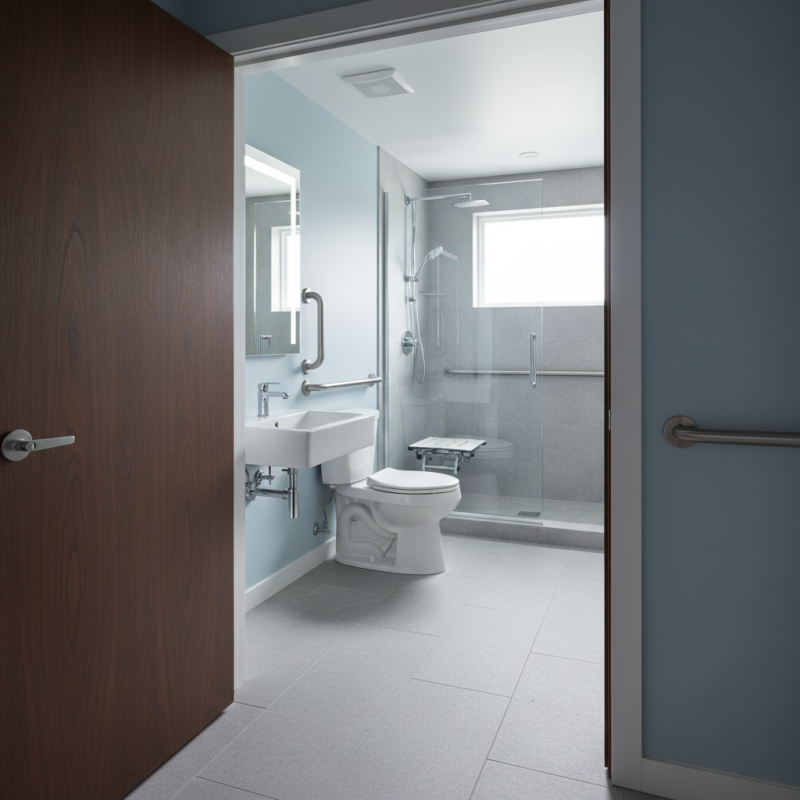
Making small bathrooms wheelchair accessible brings numerous benefits. Accessibility impacts daily life significantly. It enables those with mobility challenges to use the space comfortably and independently. Simple modifications can create a functional and stylish environment.
A wider doorway is essential. It enhances movement and reduces frustration. Safety is also a key concern. Installing grab bars can prevent falls. Non-slip flooring is an important addition, too. These features make the bathroom safer, addressing the risk of accidents.
Consider the emotional aspect. A wheelchair-accessible bathroom fosters dignity and independence. It allows users to feel at home, rather than restricted. Thoughtful design can harmonize accessibility with aesthetics, creating a pleasant atmosphere. While challenges exist in retrofitting older bathrooms, small changes can lead to significant improvements. Reflecting on these benefits can inspire transformation in your own space.
Creating an accessible small bathroom is crucial for those with mobility challenges. Reports show that approximately 1 in 7 Americans live with a disability. This highlights the need for spaces that cater to all individuals. Key features of an accessible bathroom include grab bars, roll-in showers, and wider doorways.
Grab bars provide essential support. They should be securely installed near toilets and in showers. Choosing the right height is important; typically, they should be mounted between 33 and 36 inches above the floor. A roll-in shower can eliminate the need for a curb, making it easier to enter and exit. This design not only promotes independence but also reduces the risk of slips and falls.
Tip: When designing your bathroom, consider adjustable showerheads. They accommodate different users, ensuring comfort and usability. Wide doorways, ideally 32 inches or more, are also essential. They allow wheelchair access and can be an afterthought in small spaces. Always think about how the layout affects movement and safety. Engaging with professionals can provide valuable insights tailored to your specific needs.
| Feature | Description | Benefits |
|---|---|---|
| Wide Doorways | Minimum 32-inch door width for ease of access. | Allows wheelchair entry and maneuverability. |
| Grab Bars | Installed near the toilet and shower for support. | Enhances safety and independence for users. |
| Roll-in Showers | Barrier-free shower without a threshold. | Facilitates easy access for wheelchair users. |
| Adjustable Showerheads | Showerheads that can be adjusted in height. | Accommodates users of different heights or those seated. |
| Accessible Sink | Sinks designed to allow wheelchair access underneath. | Promotes usability and comfort for all users. |
| Non-Slip Flooring | Flooring that reduces the risk of slipping. | Enhances safety for all bathroom users. |
Making your small bathroom wheelchair accessible is vital for many reasons. Legal standards for accessibility, particularly in bathrooms, are established to ensure safety and usability for everyone. The Americans with Disabilities Act (ADA) sets comprehensive guidelines. These rules define the dimensions needed for various bathroom features, such as grab bars, sinks, and toilets.
A typical accessible bathroom should have at least 60 inches of space for turning. This area is critical for maneuvering a wheelchair comfortably. Grab bars must be secure and strategically placed, allowing users to stabilize themselves easily. Finding professionals who understand these regulations can be a challenge. Not every contractor is familiar with the specific requirements stated in the law.
Failing to comply with these standards can lead to serious issues. Not only could it result in legal repercussions, but it can also compromise safety. Spaces that fall short of guidelines may inadvertently trap users with limited mobility. Therefore, it’s essential to focus on the precise measurements and design elements that promote independence and dignity in bathroom spaces. Awareness and attention to detail can make a significant difference.
This chart illustrates the required standards for wheelchair accessibility in small bathrooms compared to the average existing standards. Ensuring compliance not only enhances usability but also meets legal obligations for accessibility.
Making small bathrooms wheelchair accessible presents distinct challenges. Narrow doorways, limited floor space, and awkward layouts can hinder mobility. According to the National Institute on Disability, Independent Living, and Rehabilitation Research, 1 in 7 Americans experience some form of disability. Most homes are not designed with accessibility in mind, and many small bathrooms can become particularly difficult to navigate.
Common issues include the positioning of fixtures. Toilets and sinks need to have adequate clearance. Industry standards often recommend a minimum of 60 inches of turning space. This ensures that wheelchair users can move freely.
Additionally, curbless showers are a preferred solution. They enhance safety and usability, allowing for better access without risk of falls. Importantly, proper grab bar installation can provide essential support.
Involving professionals for design and renovation is crucial. They understand the latest guidelines and technologies for accessible bathrooms. While these improvements may seem costly, they significantly enhance quality of life. Data from the CDC shows that homes with accessibility features report higher satisfaction among residents. Small adjustments can make a huge difference in functionality.
Transforming a small bathroom into a wheelchair-accessible space is essential for inclusivity and safety. Start by assessing the layout. Is there enough room to maneuver a wheelchair? If not, consider removing unnecessary furniture or fixtures. A standard doorway needs to be at least 32 inches wide. If your door is narrow, it may need to be replaced for better access.
Next, focus on the shower and toilet areas. A roll-in shower offers easy access and flexibility. Install grab bars for support, especially near the toilet and in the shower. Low-profile thresholds can help to prevent tripping. Switching to a comfort-height toilet can also improve accessibility. Ensure that all fixtures and controls are within easy reach.
Lastly, think about the flooring. Non-slip tiles help in preventing accidents, a common hazard in bathrooms. Proper lighting is also important. Bright, well-placed lights can aid visibility and enhance safety. Consider these details carefully. There may be challenges in making updates, but the result can significantly improve usability. Each step taken today can lead to a more inclusive environment for everyone.
: Accessibility is vital for those with mobility challenges. Around 1 in 7 Americans have disabilities.
Key features include grab bars, roll-in showers, and wide doorways for better movement.
Grab bars should be between 33 and 36 inches above the floor near toilets and showers.
Roll-in showers eliminate curbs, making it easier and safer to enter and exit.
Doorways should ideally be 32 inches or wider to allow wheelchair access comfortably.
Non-slip tiles are recommended to prevent falls, which are common in bathrooms.
Adequate lighting is crucial. Bright lights enhance visibility and minimize hazards.
Professionals offer insights into the latest accessibility guidelines and design technologies.
Ensure there's enough space for wheelchair maneuvering, allowing for easy movement.
Yes, narrow spaces and fixture placement can complicate accessibility improvements.
Making your small bathroom wheelchair accessible is essential for enhancing convenience and safety for users with mobility challenges. The benefits of wheelchair accessibility in small bathrooms include improved independence and dignity for individuals, as well as increased property value. Key features in designing an accessible small bathroom may involve installing grab bars, a roll-in shower, and a comfort-height toilet. Additionally, understanding the legal standards for accessibility ensures compliance with local regulations, providing both safety and legitimacy.
However, common challenges exist in retrofitting these spaces, such as limited square footage and existing plumbing constraints. Solutions may involve creative redesigns and space-saving fixtures. To answer the question of how to make a small bathroom wheelchair accessible, one can follow specific steps, including assessing current layouts, prioritizing essential adaptations, and seeking professional advice when necessary. This approach fosters a more inclusive and functional environment for everyone.

Iowa Medical