When considering the question, "Can insurance cover the cost of home mobility aids?" it is essential to explore various aspects of insurance coverage and its limitations. Dr. Emily Carter, a prominent expert in rehabilitation medicine, emphasizes, “Home mobility aids are vital, but not always covered by insurance.” This highlights a significant issue for many individuals needing these aids.
Home mobility aids, such as walkers, stairlifts, and grab bars, improve quality of life. However, their costs can be overwhelming without proper insurance support. Many people mistakenly believe that all mobility aids are fully covered. In reality, coverage varies by provider and policy. Some may cover certain items partially or not at all, leaving users to bear the burden of expenses.
Individuals should thoroughly review their insurance policies and consult with professionals. Understanding exclusions and coverage limits is crucial. The process can be confusing, and misinformation often leads to frustration. It's vital to seek clarity and explore all available options. While some may find financial assistance programs, many still face challenges. This situation raises the important question of accessibility in healthcare.
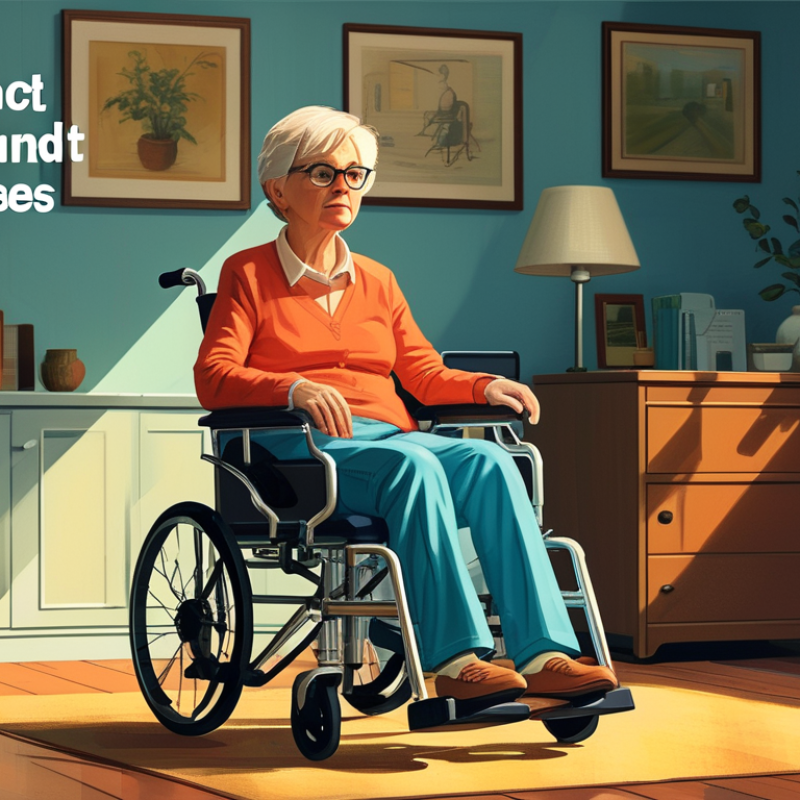
Home mobility aids are essential tools for people with limited mobility. These aids help individuals move around their homes safely and independently. Common types include walkers, wheelchairs, and stairlifts. Each type serves a unique purpose. Walkers provide stability while standing or walking. Wheelchairs offer a means to navigate spaces efficiently. Stairlifts enable movement between floors without assistance.
The importance of these aids cannot be overstated. They promote independence and improve quality of life. However, choosing the right aid can be challenging. Some may find it hard to decide what fits their needs best. Additionally, home modifications may be necessary for optimal use. This can lead to dilemmas regarding costs and practicality.
When considering home mobility aids, it is vital to evaluate the options carefully. Factors like design, functionality, and space must be taken into account. Not every aid may suit every individual. Those who rely on these aids should assess their specific requirements. Misunderstandings can arise, leading to frustration and inconvenience in daily routines. Balancing needs with available resources is crucial for making informed decisions.
Navigating insurance coverage for home mobility aids can be complex. Many people are unsure if their insurance will cover these necessary items. It's important to understand what counts as a mobility aid. Items like ramps, grab bars, and stairlifts can significantly enhance safety and independence in the home.
Insurance policies vary significantly. Some plans may cover a portion of the costs, while others do not include mobility aids at all. It's crucial to review your specific policy details and speak with your insurance provider. Documentation from healthcare professionals can help demonstrate the need for these aids, supporting your claim. Collecting the right evidence is essential but can be frustrating.
Finding the right path can feel overwhelming. You might face unexpected challenges or delays. Some might need to appeal decisions, which can take time. Seek guidance from individuals experienced in navigating this process. Engaging with community resources can also shed light on unseen obstacles. It's important to remain persistent and proactive, as securing coverage is often a journey that requires patience.
Navigating insurance coverage for home mobility aids can be challenging. Each insurer has differing policies. Understanding eligibility criteria is crucial for a successful claim. You need to assess both the equipment type and medical necessity. Most plans require a prescription from a licensed healthcare provider. This document often serves as proof of need.
In addition, certain conditions may influence coverage. For example, mobility aids linked to chronic illnesses may receive priority. There might be age restrictions as well. It's essential to review your specific plan details closely. Documentation plays a key role; keep records of medical evaluations and purchase receipts. Missing an important piece can lead to denied claims.
Communication with your insurance provider is vital. Sometimes, representatives can clarify ambiguous terms. In some cases, they may assist with paperwork or direct you to resources. Yet, be prepared for potential misunderstandings and delays. Each situation is unique, and persistence could be necessary.
| Mobility Aid Type | Eligibility Criteria | Insurance Coverage Percentage | Required Documentation |
|---|---|---|---|
| Wheelchair | Medical necessity, prescribed by a physician | 80% | Prescription, medical records |
| Scooter | Documentation of mobility limitations | 75% | Prescription, mobility assessment |
| Walker | Signed off by healthcare provider | 100% | Prescription, provider note |
| Lift Chair | Recommended for severe mobility challenges | 60% | Prescription, medical justification |
| Home Modifications | Based on necessity assessments | 50% | Detailed proposal, medical documentation |
Filing an insurance claim for home mobility aids can be a complex process. Many families might not even know that insurance can help cover costs related to items like ramps, grab bars, or wheelchairs. About 10% of individuals aged 65 and older in the U.S. need some form of mobility assistance. This statistic highlights a growing need for support in navigating home care challenges.
To begin, gather necessary documentation. This includes a doctor’s prescription and proof of purchase for the mobility aid. Consider that many insurance policies require a diagnosis that justifies the need for these aids. It's crucial to familiarize yourself with your specific policy details. Not all plans cover the same items or have identical procedures for claims.
Once you have your documents ready, submit your claim according to your insurer's guidelines. Be prepared for potential denial at first. Research shows that approximately 70% of initial claims are denied, often due to missing paperwork or incorrect codes. In such cases, don't hesitate to appeal. Personal persistence can make a significant difference. Regular follow-ups with your provider are also essential in ensuring your claim gets the attention it requires. This process can be frustrating, but understanding these steps can lead to successful coverage of necessary mobility aids.
Navigating insurance for home mobility aids can be daunting. Many people find their claims denied or face confusing policy language. According to a recent report, 40% of individuals requiring mobility aids, such as wheelchairs or stairlifts, experience challenges in obtaining coverage. Insurers often have strict requirements. A doctor's prescription is usually needed, and some devices may not be reimbursed.
Moreover, understanding the nuances in coverage can prove difficult. The National Association for Insurance Commissioners found that nearly 25% of applicants were inadequately informed about their benefits. This lack of clarity can lead to out-of-pocket costs that exceed budgets. Even simple items like grab bars or shower chairs might not qualify for reimbursement.
Financial strain adds to the burden. Families already facing mobility challenges may struggle with additional expenses. Statistically, around 30% of older adults forgo necessary mobility aids due to costs. It's essential for individuals to assess their specific insurance policies and clarify coverage details with their providers. Ensuring clear communication can help mitigate financial risks associated with mobility aids.
: Home mobility aids are tools that assist individuals with limited mobility in moving safely at home.
Common aids include walkers, wheelchairs, and stairlifts, each designed for different needs.
Walkers provide stability and support for those standing or walking, enhancing safety.
Stairlifts allow users to move between floors independently and safely without help.
Assess your specific needs, design, functionality, and available space when selecting an aid.
Insurance may reimburse some costs, but coverage varies by provider and plan details.
A prescription from a licensed healthcare provider is often needed to validate the need.
Misunderstandings about eligibility or missing documentation can lead to denied claims.
Yes, discussing your situation with insurance representatives can clarify coverage and help with claims.
Keep detailed records of medical evaluations and purchase receipts to support your application.
Home mobility aids are essential tools designed to assist individuals with mobility challenges, encompassing various types such as walkers, wheelchairs, and stairlifts. Understanding whether insurance can cover the cost of home mobility aids is crucial for many people. Insurance coverage typically depends on the specific policy and the medical necessity of the aids.
To qualify for insurance reimbursement, individuals must meet certain eligibility criteria, including a prescription from a healthcare provider. Filing an insurance claim involves several steps, from gathering necessary documentation to submitting the claim for review. However, navigating the insurance process can present common challenges, such as disputes over coverage or delays in approval. Ultimately, the question remains: can insurance cover the cost of home mobility aids? The answer varies, highlighting the importance of thoroughly reviewing one's insurance policy and understanding coverage options.

Iowa Medical