Traveling with a folding power wheelchair can seem daunting. Many people wonder, "How to travel by plane with a folding power wheelchair?" It's a common concern for those who want to maintain their mobility while exploring new destinations. Expert in adaptive travel, Dr. Lisa Green, states, “Preparation is key when flying with mobility devices.” Her insights highlight the importance of planning ahead.
Navigating airports can be challenging, especially when you have a folding power wheelchair. Mobility aids must be managed properly to avoid damage. Ensure that your wheelchair is within airline size limits and properly secured during the flight. Consider the type of power wheelchair you have, as some models fold more compactly than others.
People often overlook the need for proper documentation. Carry relevant paperwork about your wheelchair’s specifications. It may help reduce confusion or delays at security checkpoints. Each travel experience can teach valuable lessons. Air travel with a power wheelchair doesn’t have to be overwhelming. With the right information and a bit of preparation, you can make it a comfortable, enjoyable experience.
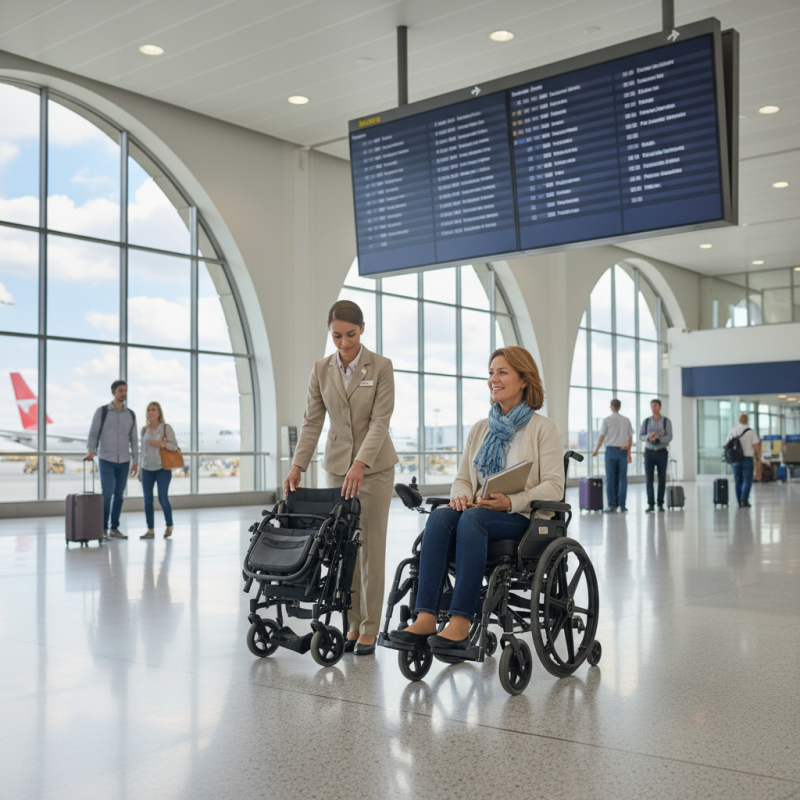
Understanding the airline policies for folding power wheelchairs is crucial for a smooth travel experience. According to the International Air Transport Association (IATA), around 6% of air travelers have mobility impairments. This statistic highlights the importance of knowing your rights and the regulations regarding assistive devices.
Most airlines allow folding power wheelchairs as carry-on items. However, guidelines vary significantly. Some require advance notification about your device, while others may have restrictions on weight and size. It's vital to confirm each airline's specific policies ahead of time. A report by the U.S. Department of Transportation indicates that incidents involving damage to wheelchairs occur with alarming frequency. This underlines the need for proper packing and documentation.
Tips: Always carry essential repair tools and an extra battery if possible. Communicate your needs clearly when checking in. Keeping your wheelchair's manual handy can help in case of questions. Consider wrapping your wheelchair for extra protection during transit. Always inspect your device upon arrival; report any visible damages immediately.
When preparing your folding power wheelchair for air travel, attention to detail is crucial. Start with a thorough inspection of your wheelchair. Ensure all moving parts are functional. According to industry reports, almost 25% of wheelchairs get damaged during air travel. This underscores the need for a detailed check before your trip.
Disassemble your wheelchair if possible. Many airlines require or recommend this step. Wrap delicate parts in protective materials like bubble wrap. Soft covers can prevent scratches. Secure your wheelchair with clear labels bearing your contact information. Statistics reveal that around 60% of lost luggage cases involve disabled equipment. Clear identification can significantly reduce the risk of loss.
Know the airline’s specific guidelines for traveling with a power wheelchair. Some airlines may have restrictions on weight or dimensions. This knowledge will help you avoid misunderstandings at the airport. Prepare an emergency plan in case of unexpected delays or issues. Think about how you will manage without your chair for a short time. The more prepared you are, the smoother your journey will be.
| Preparation Step | Details |
|---|---|
| Check Airline Regulations | Review the specific airline's policies regarding folding power wheelchairs, including size and weight restrictions. |
| Battery Preparation | Ensure the battery complies with airline regulations; typically, lithium batteries must not exceed 300 Wh. |
| Pack Wheelchair Properly | Disassemble any detachable parts and securely pack them to prevent damage during transport. |
| Notify Airline in Advance | Inform the airline about your folding power wheelchair at least 48 hours before your flight. |
| Arrive Early | Arrive at the airport earlier than usual to allow time for check-in and security procedures. |
| Label Your Wheelchair | Clearly label your wheelchair with your name, contact information, and destination address. |
| Request Assistance | Ask for assistance from airport personnel to help you navigate through the airport. |
| Check Accessibility at Destination | Ensure your destination has suitable accommodations for your power wheelchair to avoid complications. |
When flying with a folding power wheelchair, having essential accessories can make your journey smoother. One of the most important accessories is a durable carrying case. A strong case protects your wheelchair during transit. Look for designs that have padding and securing straps. This minimizes damage and offers peace of mind.
Another critical accessory is a compact power bank. Before boarding, ensure your wheelchair is fully charged. Use the power bank to recharge during layovers or waiting times. It provides extra security, knowing you can keep your wheelchair operational.
Tips: Always check airline policies on wheelchair transport. This can save you from unexpected surprises. Prepare for potential difficulties at the airport, like long lines or delays. Keep essential items like your travel documents and medications handy. Being organized can significantly reduce stress. Ultimately, flying with a folding power wheelchair requires preparation and the right tools.
Navigating airport security can be a challenge for users of folding power wheelchairs. It's essential to prepare in advance. Arriving at the airport early helps. You will appreciate the extra time this allows for unexpected delays, like long lines. Knowing what to expect at security can ease your journey.
When you get to the security checkpoint, inform the staff that you are using a folding power wheelchair. They can provide assistance and may conduct additional checks. Be ready to fold your chair and place it through the scanner. This process can feel overwhelming, but staff are typically trained to help. Always have your wheelchair's manual on hand. This helps if questions arise about its operation.
Even with preparation, issues might crop up. I remember once, my chair's battery raised questions. Remaining calm and clear about your needs helps greatly. Bring extra battery documentation if required. It's a good idea to familiarize yourself with the airport layout. Knowing access points and restroom locations improves your confidence. Taking these steps will enhance your travel experience.
After flying with a folding power wheelchair, it’s crucial to inspect its condition. Airline handling can be rough. A thorough check helps to catch any issues early.
Start with a visual inspection. Look for any signs of damage, such as scratches or dents. Examine the wheels and frame closely. Ensure the folding mechanism operates smoothly. Pay attention to the battery. Check if it’s holding a charge. If something feels off, seek help immediately.
Consider the wheelchair's comfort and functionality. Does it fold easily? Can you access all features? Even small issues can become significant problems. Document any damage you find. This information can be vital for repairs or claims. Your wheelchair is essential for mobility. Regular checks maintain its safety and reliability.
: Inspect your wheelchair thoroughly. Ensure all parts work well. This prevents issues during your trip.
Yes, many airlines require advance notification. Always check specific airline guidelines before your flight.
Reports indicate that nearly 25% of wheelchairs suffer damage. Proper packing and preparation can help reduce this risk.
Always bring essential repair tools and an extra battery. This prepares you for potential travel disruptions.
Use clear labels with your contact information. Statistics show that clear identification can reduce lost luggage cases.
Inform the staff you’re using a power wheelchair. They will assist and may require you to fold your chair for scanning.
Plan for unexpected issues. Think about how to manage without your wheelchair for a short time if needed.
Yes, keep your wheelchair's manual accessible. It can help answer questions about its operation at checkpoints.
Stay calm and explain your situation clearly. Bringing extra battery documentation can ease the process.
Inspect your wheelchair immediately. Report any damages to the airline right away for prompt assistance.
Traveling by plane with a folding power wheelchair can be a smooth experience with the right preparation. First, understanding different airline policies regarding folding power wheelchairs is crucial, as these can vary significantly. Preparing your wheelchair for air travel includes ensuring it is properly folded and meets the airline's size and weight requirements. Additionally, having essential accessories, such as travel bags and protective covers, can provide extra convenience and protection during your journey.
Navigating airport security can present challenges for wheelchair users, so being aware of protocols and strategies beforehand can help alleviate stress. Once you arrive at your destination, it's important to check the condition of your wheelchair for any damages incurred during travel. By considering these steps, travelers can effectively answer the question, "How to travel by plane with a folding power wheelchair?" and enjoy a hassle-free flying experience.

Iowa Medical