When considering safety and comfort in bathing, one crucial question arises: "What are the weight limits for standard bath chairs?" Expert physiotherapist Dr. Sarah Johnson emphasizes, "Choosing a bath chair that meets weight specifications is essential for safety." Bath chairs are designed with specific weight capacities, which vary by model and manufacturer. Understanding these limits ensures users can securely and confidently use these aids.
Many people overlook the importance of checking weight limits before purchasing a bath chair. This can lead to unfortunate incidents. Each bath chair comes with a maximum weight limit, typically between 250 to 400 pounds. It’s vital to review this information to prevent potential hazards. The design and materials used play a significant role in determining these limits.
While manufacturers provide guidelines, real-world experiences can differ. Users often report feeling uncomfortable when using chairs that exceed weight limits. Feedback from individuals indicates that understanding personal needs is just as important as knowing product specifications. Careful consideration of weight limits promotes not only safety but also enhances the bathing experience.
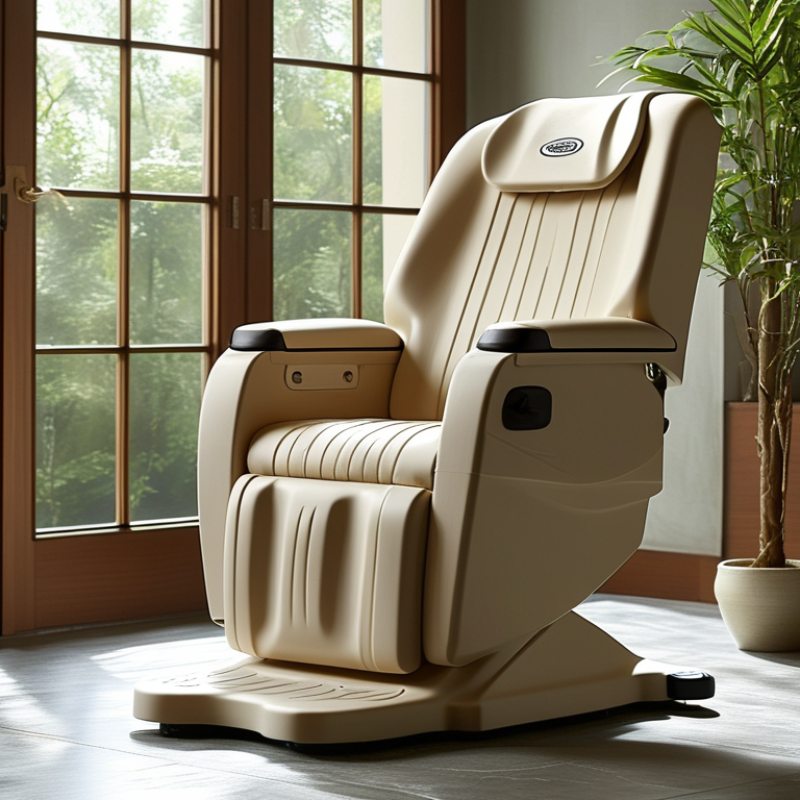
When selecting a bath chair, understanding the weight limit is crucial. Many reports indicate that a significant percentage of injuries related to falls in the bathroom arise due to inadequate support. The Consumer Product Safety Commission revealed that over 234,000 injuries occurred in bathrooms between 2008 and 2010, highlighting the need for reliable equipment like bath chairs.
Weight limits ensure that individuals receive the proper support to prevent accidents. According to the National Institutes of Health, bath chairs should be assessed not only for maximum weight but also for the individual's stability and mobility needs. Different designs offer varying levels of durability, which can impact safety. It's essential to choose a chair that matches the user's weight and body type.
Consider these factors when choosing a bath chair. Check stability by ensuring it has non-slip feet. Avoid overloading the chair, even if it appears strong. Regularly inspect the chair for wear and tear, as damage may increase the risk of injury. Staying informed on the specifications of your bath chair can provide added confidence in your chosen solution.
When assessing the weight capacity of standard bath chairs, several critical factors come into play. The design and materials significantly influence how much weight the chair can safely support. Lightweight plastics may not endure heavy loads, while reinforced aluminum or steel frames tend to offer greater stability. Test the chair's sturdiness by examining joints and welds for signs of weakness or potential failure points.
User weight is another important consideration. Bath chairs must accommodate individuals of varying sizes. Some chairs may state a specific weight limit, but the reality can deviate if the user shifts or leans. It's vital to think about usage scenarios. A chair that supports a certain weight under ideal conditions might not perform similarly during actual use.
Finally, regular maintenance is essential for longevity and reliability. Over time, wear and tear can compromise a chair’s strength. Regular inspections can help identify problems early. This awareness can prevent accidents and ensure safety in the bathing environment. Balancing the factors of materials, user habits, and maintenance can lead to an informed decision about bath chair weight limits.
When selecting a standard bath chair, understanding the weight limits is crucial for safety. Manufacturers provide specific information about these limits in their specifications. This data can typically be found in the user manual or product description. It is vital to check the weight capacity before making a purchase. Relying on vague information can lead to accidents. Always look for clear details.
Many manufacturers list the weight limits prominently. Websites often include this information in the product details section. If you cannot find it online, reach out to customer service. They can clarify the weight limitations and help you choose the right model. It is essential to trust reliable sources to make an informed decision.
However, sometimes the listed weight limits may not reflect real-world use. Some chairs may wobble under heavy weight, even if they adhere to specifications. It's important to observe how the chair behaves under different conditions. Consider testing the chair in-store if possible. Your comfort and safety are paramount, and thoughtful selection can help avoid potential issues.
Testing the weight limits of standard bath chairs is crucial for safety. Begin with visual inspections. Check for any signs of wear, cracks, or rust. These issues can affect strength. Next, conduct static load tests. Use weights that match different user sizes. Apply them gradually to evaluate stability. Record any slippages or wobbles. This step helps identify potential weaknesses.
Regular stress tests improve reliability. Testing should mimic real-life scenarios. For example, simulate a user shifting positions. This can expose issues that aren't visible during static tests. Consider utilizing a measurement device for precision. This ensures accuracy in weight distribution assessments.
For safety, always keep more than one person involved in testing. One person should monitor the chair, while another applies weight. Communicating findings can prevent miscalculation. Document all results meticulously. This record can serve as a reference for future tests. Small adjustments might be necessary based on observations. A continuous review of procedures leads to safer products and user confidence.
When using bath chairs, safety must be a key consideration. Proper weight limits determine not just usability but the safety of the individual. According to recent studies, standard bath chairs typically support weights between 250 to 400 pounds. Exceeding these limits can lead to instability, posing a risk of falls or injuries. It’s crucial to assess both the chair's weight capacity and the user's mobility needs.
Research highlights that many users underestimate their weight in relation to the chair’s limit. This mismatch can result in accidents. Furthermore, regular inspections of the bath chair should include checks on wear and tear. Signs of damage might not be immediately apparent but can significantly decrease the chair's effectiveness.
Users should also consider the chair’s design and size. A wider seat may provide more comfort and support, especially for heavier individuals. Data indicates that chairs with broader bases offer better stability. However, these might not fit in all bathtubs. There’s a balance between comfort and functionality that requires thoughtful consideration. Ensuring a safe bathing experience involves regularly revisiting these factors and making necessary adjustments.
| Chair Model | Weight Limit (lbs) | Seat Width (inches) | Material | Adjustability |
|---|---|---|---|---|
| Model A | 350 | 22 | Aluminum | Yes |
| Model B | 300 | 20 | Plastic | No |
| Model C | 400 | 24 | Steel | Yes |
| Model D | 250 | 18 | Aluminum | No |
| Model E | 350 | 21 | Plastic | Yes |
: Weight limit information is usually in the user manual or product description.
Understanding weight limits is crucial for safety. Exceeding them can lead to accidents.
Reach out to customer service for clarification on weight limitations.
Conduct visual inspections for wear or cracks. Test the chair with weights gradually.
Some chairs may wobble under heavy weight, even if they meet specifications.
Regular inspections for wear and tear are essential. Check for signs of damage frequently.
A wider seat provides more support, but ensure it fits your bathtub.
Always involve more than one person during testing to maintain safety.
Many users may not accurately assess their weight, risking safety.
Document findings meticulously and adjust the procedures for future tests.
When selecting a standard bath chair, one of the critical considerations is understanding the weight limits associated with these devices. Weight limits for standard bath chairs are essential not just for safety but also for ensuring user comfort and stability during bathing. Various factors influence these weight capacities, including the materials used in the chair's construction and its design.
To find specific weight limits, consumers should consult manufacturer specifications, which provide detailed information on the maximum capacity. Additionally, there are standardized testing procedures that assess how much weight a bath chair can safely support. When considering "What are the weight limits for standard bath chairs?" it is also crucial to keep safety considerations in mind. Ensuring that users do not exceed these weight limits can greatly reduce the risk of accidents and injuries while using the chair.

Iowa Medical