When it comes to maintaining hygiene, cleaning and sanitizing a commode chair is essential. According to Jane Doe, a senior healthcare expert, “Proper cleaning can prevent infections and ensure comfort for users.” Understanding how to clean and sanitize a commode chair effectively is crucial for caregivers and families alike.
The task may seem straightforward; however, it requires careful attention to detail. Many overlook the importance of using the right cleaning agents. It's not just about wiping surfaces. Inadequate cleaning can lead to germs lingering, impacting health. Caregivers often face challenges, particularly with stubborn stains or odors.
An ideal cleaning routine should address these aspects. Regular maintenance not only prolongs the life of the chair but also safeguards the user’s dignity. Investing time in learning how to clean and sanitize a commode chair properly can yield significant health benefits.
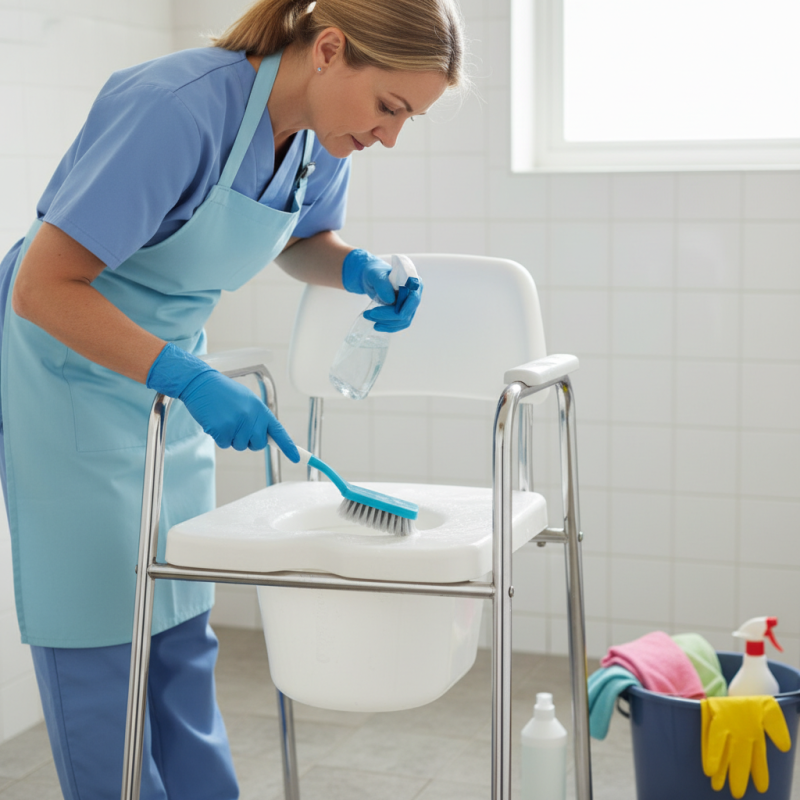
Cleaning a commode chair is essential for health and hygiene. Commode chairs, often used in healthcare settings or by individuals with mobility issues, can harbor bacteria and germs. According to studies published by the Centers for Disease Control and Prevention (CDC), unsanitized restroom equipment can lead to infections and increased hospital stays. Therefore, understanding proper cleaning methods is crucial for maintaining a safe environment.
Regular cleaning not only enhances the commode chair’s longevity but also reduces the spread of harmful pathogens. It is recommended to clean these chairs at least once a day or after each use, depending on the frequency. A mixture of water and a disinfectant can eliminate germs effectively. Pay attention to the areas that often get overlooked, like underarmrests and behind the seat.
Tips: Always wear gloves when cleaning. This protects your hands from harmful chemicals and germs. Use disposable cloths to prevent cross-contamination. Rinse thoroughly after disinfecting to ensure no residue remains. Remember, a clean chair can significantly impact the user's overall well-being, but even with the best practices, one may still miss spots or delay cleaning due to other duties. Reflecting on these challenges can help improve future cleaning routines.
Cleaning a commode chair effectively involves gathering the right supplies and protective gear. Start by ensuring you have disinfectant wipes or a spray. According to the Centers for Disease Control and Prevention (CDC), effective sanitation significantly reduces the risk of infection. You’ll also need gloves, masks, and possibly goggles to protect yourself from splashes.
When selecting cleaning products, choose those that are EPA-approved. Research indicates that only 30% of commonly used disinfectants meet specific effectiveness standards. This means many may not provide adequate sanitation. Using warm water mixed with a mild detergent can also help lift dirt and grime. Remember to have dedicated sponges or cloths to avoid cross-contamination.
Do not overlook the importance of a face mask or shield while cleaning. Studies show that cleaning can release particles into the air. Such particles could contain harmful pathogens. Being mindful during cleaning helps maintain safety. Ensure to ventilate the area well. Open windows or use fans for better air circulation. Your health is as important as cleaning the commode chair.
Cleaning and sanitizing a commode chair is crucial for health and hygiene. The process involves several steps to ensure optimal results. Start by gathering essential supplies: a disinfectant, soft cloths, gloves, and a bucket of warm water. According to the Centers for Disease Control and Prevention (CDC), proper disinfection of surfaces can reduce contamination by up to 99.9%.
Begin with removing any detachable components from the commode chair. Clean these parts separately. Use a disinfectant that is effective against bacteria and viruses. Pay attention to hard-to-reach areas, as they can harbor germs. A study published in the American Journal of Infection Control showed that improperly cleaned surfaces can lead to increased infection rates.
After cleaning, wipe down the entire chair with the disinfectant. Allow it to sit for the recommended contact time indicated on the label. Rinsing with warm water and drying with a clean cloth is vital. Residual cleaning products can irritate skin. A common oversight is neglecting to sanitize certain areas, like armrests and seat pads, which can collect bacteria. Regular cleaning routines promote health and prevent the spread of illnesses.
Cleaning and sanitizing a commode chair is essential for maintaining hygiene. Disinfecting techniques play a vital role in ensuring a safe environment. Start by wearing appropriate gloves and a mask to protect yourself during the cleaning process.
Use a simple solution of water and mild detergent to scrub surfaces. Pay close attention to crevices and corners where bacteria can hide. After cleaning, use a disinfectant spray to ensure thorough sanitation. Focus on commonly touched areas, such as armrests and seat edges. Allow the disinfectant to sit for the recommended time before wiping it away.
Tips: Regular cleaning routines can prevent the buildup of germs. Consider using disposable wipes for quick clean-ups. If a stubborn stain persists, a mixture of baking soda and vinegar can help. Remember to regularly check and replace any worn parts, as they can compromise cleanliness. Ultimately, a consistent and thoughtful approach to sanitation can significantly enhance safety and comfort.
Routine maintenance is essential for keeping your commode chair in good shape. Start by checking the chair regularly for any signs of wear and tear. Inspect the seat pads and armrests for damage or stains. If you notice any issues, address them quickly to prevent further problems.
Cleaning is critical. Use a damp, soft cloth to wipe down all surfaces. Pay special attention to crevices where dirt might accumulate. A mild detergent is often suitable, but ensure it’s safe for the materials. Rinse the cloth frequently. Remember, not every cleaning product is appropriate for all surfaces.
Don’t forget about sanitizing. Bacteria can thrive in moist areas. Use a disinfectant on high-touch surfaces like handles and armrests. Allow the disinfectant to sit for the recommended time before wiping it off. It’s essential to balance cleanliness and comfort, so check the decorative coverings. Sometimes they might need replacing if they are too stained or worn.
| Step | Description | Frequency |
|---|---|---|
| Step 1 | Remove any soiled items from the commode chair. | After each use |
| Step 2 | Wash the seat and arms with warm soapy water. | Daily |
| Step 3 | Rinse well and dry the surfaces with a clean cloth. | Daily |
| Step 4 | Disinfect the chair using a suitable disinfectant. | Weekly |
| Step 5 | Inspect the chair for any damages or wear. | Monthly |
: Gather essential supplies like disinfectant, soft cloths, gloves, and warm water.
Remove detachable components and clean them separately to ensure thorough sanitation.
High-touch areas can harbor bacteria. Regular sanitization helps reduce infection risks significantly.
Inspect regularly and address issues promptly to prevent further problems.
Use a disinfectant spray on all surfaces and allow it to sit for the recommended time.
Don’t neglect hard-to-reach spots, such as crevices, which can collect germs.
Not all products are safe for all materials. Always check compatibility before use.
Regular cleaning is essential, but schedule it based on usage and observed cleanliness.
A baking soda and vinegar mixture can help remove tough stains effectively.
Check decorative coverings often. Replace them if they’re stained or worn, ensuring comfort.
Cleaning and sanitizing a commode chair is essential for maintaining hygiene, especially for those who rely on it for daily use. Understanding the importance of keeping this equipment clean is the first step toward ensuring a safe environment. To effectively learn how to clean and sanitize a commode chair, one should first gather the necessary cleaning supplies and protective gear to ensure safety during the process.
The cleaning process involves several steps: removing any waste, cleaning the surfaces with appropriate cleaners, and thoroughly rinsing. Disinfecting techniques are crucial to eliminate germs and bacteria, and knowing how to apply these methods can vastly improve sanitation standards. Regular maintenance tips, such as routine checks and cleanings, help prolong the lifespan of the commode chair while ensuring it remains hygienic for everyday use. Ultimately, committing to learning how to clean and sanitize a commode chair can greatly enhance overall health and wellbeing.

Iowa Medical