How to Choose Rust Proof Bath Chairs for Humid Areas?

Time:2026-09-21 Author:Mason
0%

Humidity changes the meaning of “rust-resistant.” In a steamy bathroom, water can collect beneath joints, around screws, and inside hollow metal tubing. A chair may look spotless while corrosion quietly begins underneath. This guide explains how to choose rust-proof bath chairs for humid areas, without trusting packaging claims alone.

The key question is: Are bath chairs rust-proof in high humidity? According to Maya Chen, a senior bathroom safety equipment consultant, “Rust resistance is a system, not a single material.” Her advice is practical. Inspect the frame, fasteners, welds, drainage holes, and adjustable legs together. An aluminum frame can still fail when ordinary steel screws are fitted into it. Stainless steel helps, but its grade and finish matter. Plastic seats resist corrosion, yet their brackets may not.

Look closely.

Choose sealed joints, nonporous surfaces, and feet that dry quickly after use. Check the manufacturer’s weight rating, stability testing, and care instructions. A chair should support the user without rocking on wet tiles. It should also allow water to drain, rather than trapping moisture beneath the seat.

No bath chair is completely maintenance-free. That is an easy promise to believe, and a poor assumption. Even a corrosion-resistant chair needs rinsing, drying, and occasional inspection. Look for orange marks, loose bolts, rough welds, or swollen plastic parts. These small signs can reveal a larger problem. With careful material checks and realistic maintenance habits, you can select a safer chair for bathrooms where humidity never truly leaves.
How to Choose Rust Proof Bath Chairs for Humid Areas?

What Makes a Bath Chair Suitable for Humid Areas?

A bath chair for a humid area must resist more than occasional water. It faces steam, splashes, soap residue, and slow drying every day. Rust-resistant stainless steel, anodized aluminum, and sealed plastic are practical material choices. However, “rust proof” is not always absolute. Small scratches, trapped moisture, or poor-quality screws can still create corrosion.

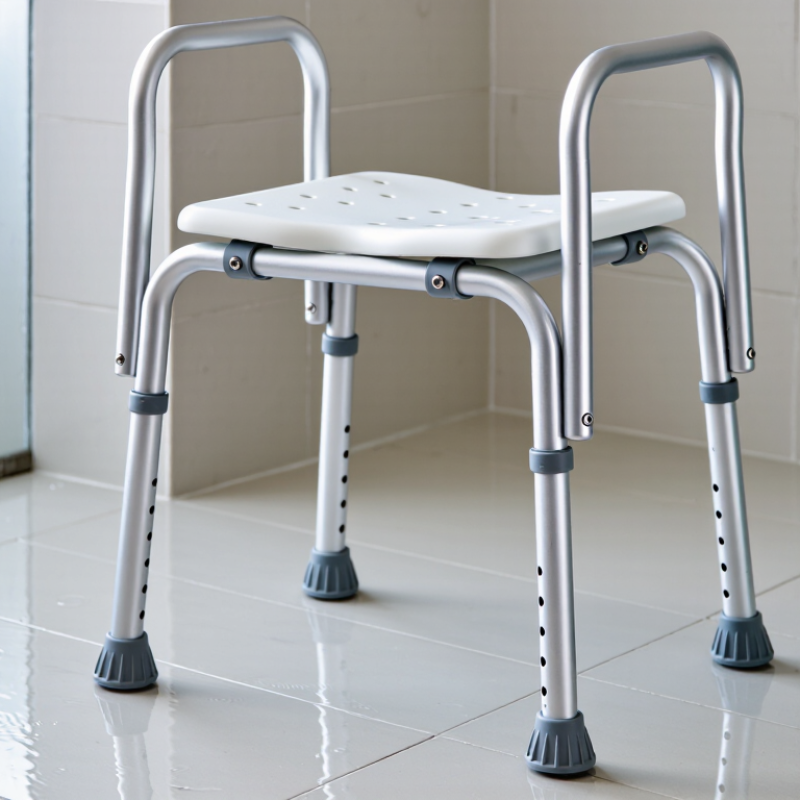
Look closely at the joints and fasteners. Welds should appear smooth, without gaps that collect dirty water. Screws need corrosion-resistant construction, while rubber feet should stay firmly attached on wet tiles. Drainage holes also matter. They help water leave the seat instead of forming a damp layer underneath. In humid bathrooms, a stable seat is often safer than a lightweight chair that shifts easily.

Check the stated load capacity and measure the available space before buying. The chair should allow comfortable sitting without blocking the shower area. I also prefer a textured seat with rounded edges because smooth surfaces can become slippery with soap. After use, wipe the frame and lift the chair briefly to dry its feet. This takes little time.

Yet maintenance is easy to underestimate. Even a well-made chair may show surface damage after repeated contact with harsh cleaners. Inspect the underside monthly, especially around bolts and rubber caps. A small brown mark does not always mean serious failure, but ignoring it is unwise. Humidity exposes weak details quickly.

How to Compare Rust-Resistant Bath Chair Materials

How to Choose Rust Proof Bath Chairs for Humid Areas?

How to Compare Rust-Resistant Bath Chair Materials

Humidity exposes weak materials quickly. A bath chair may face warm water, soap residue, and poor ventilation daily. Rust-resistant does not mean rust-proof. That distinction matters.

Stainless steel usually offers strong structural reliability. Grade 304 suits many indoor bathrooms, while grade 316 handles chloride exposure better. This advantage matters near coastal homes or frequent disinfectant use. Aluminum is lightweight and naturally forms a protective oxide layer. However, poorly sealed joints may collect water and develop corrosion. Powder-coated steel can reduce surface damage, but scratches may expose the underlying metal. Plastic frames resist rust completely, yet they can become brittle under heat or heavy use. No material wins every test.

The NACE IMPACT study estimated global corrosion costs at 2.5 trillion dollars, about 3.4% of global economic output. That figure shows why material selection deserves attention, even for a small bathroom product. The World Health Organization reported about 684,000 fatal falls worldwide each year in its 2021 falls report. A stable, well-maintained chair is therefore more than a convenience. Check welded seams, drainage holes, fasteners, and rubber feet before buying. In my practical inspections, trapped water causes more trouble than visible surface moisture. I once overlooked a hidden bolt. It rusted first. Review load ratings, cleaning instructions, and replacement parts carefully. A slightly imperfect design may still work, but ignoring small corrosion points rarely does.

Which Design Features Improve Safety and Comfort?

In humid bathrooms, “rust proof” should mean carefully corrosion-resistant, not magically immune to damage. Stainless steel, anodized aluminum, and sealed plastic components usually perform better than untreated metal. Check every screw, hinge, and joint. Small exposed parts can rust first.

Safety begins with stability. Wide, non-slip feet should grip wet tile without leaving sharp edges. Adjustable legs help the chair sit level on uneven floors. A firm backrest supports tired users, while padded armrests make sitting and standing less stressful. Rounded corners matter too. They reduce painful bumps in narrow shower spaces.

Look for drainage holes in the seat, because trapped water encourages grime and slippery surfaces. A textured seat can improve grip, but overly rough plastic may irritate skin during longer bathing. Confirm the stated weight capacity and allow a sensible margin. Tool-free height adjustment is useful, although loose buttons need regular inspection. From practical use, I would also check whether the chair can enter the shower without twisting the body. That detail is easy to miss. I once focused on the frame and overlooked a poorly placed handle. It made transfers awkward. Clean the chair with mild soap, rinse away residue, and dry hidden joints when possible. Even good materials need care.

How to Check Size, Weight Capacity, and Bathroom Fit

Choosing a rust-resistant bath chair for a humid bathroom requires more than checking its appearance. Stainless steel, coated aluminum, and corrosion-resistant plastic can perform well, but inspect joints, screws, and drainage holes carefully. Moisture often collects in hidden areas. A chair may look clean while its fasteners begin to weaken.

Measure the bathroom before shopping. Record the shower entrance width, interior depth, and available turning space. Check the chair’s seat width and height against these measurements. Your knees should bend comfortably, and your feet should rest flat on the floor. Leave enough room to transfer safely without striking walls or fixtures. Do not forget the bathroom door.

Weight capacity needs careful interpretation. It should exceed the user’s body weight, clothing, and any movement during sitting. A practical safety margin is sensible. Follow the manufacturer’s tested limit. I once underestimated arm movement during a transfer, and the chair shifted slightly. That small mistake changed my view of “maximum capacity.”

Tips: Measure twice. Check every dimension. Test the chair on your actual floor surface, especially if it is textured or uneven. Adjustable legs can improve stability, but all legs must contact the floor firmly. Avoid relying only on suction cups. They may perform poorly on rough tiles. After each use, dry metal connections and inspect for loose parts, discoloration, or cracks. A chair that fits perfectly on paper may still feel cramped beside a shower screen. Walk through the transfer slowly before regular use.

How to Maintain a Bath Chair in a Moist Environment

A bath chair in a humid area needs more than a rust-resistant frame. Moisture collects beneath the seat, around screws, and inside drainage openings. Choose stainless steel, treated aluminum, or durable plastic parts with smooth, sealed surfaces. Avoid designs with deep joints that trap water. Small gaps matter.

After every use, rinse the chair with clean water. This removes soap, shampoo, and body oils that can weaken protective finishes. Wipe the frame with a dry towel, especially near adjustable legs and connection points. Leave the chair in a ventilated place, not against a wet wall. Airflow helps.

Once a week, inspect the feet, hinges, and fasteners. Look for orange marks, cloudy surfaces, loose caps, or unusual movement. Clean stubborn residue with mild soap and a soft cloth. Do not use abrasive pads or harsh chlorine products unless the manufacturer allows them. These can damage coatings and create hidden corrosion. Never ignore a small wobble. Tighten approved fasteners carefully, but do not force plastic parts. I once treated a surface stain as harmless; later, moisture had reached a joint. That mistake showed me why regular checks are more reliable than occasional deep cleaning. Replace damaged rubber feet promptly, because trapped water can make them slippery and unstable. Keep the chair fully dry before storing it.

How to Choose Rust-Proof Bath Chairs for Humid Areas

Recommended maintenance frequency for bath chairs used in moist environments

In humid bathrooms, choose chairs with corrosion-resistant stainless-steel or aluminum frames, non-porous plastic seats, and rust-resistant fasteners. Rinse away soap and salt residue after each use, dry the chair regularly, inspect joints and feet for corrosion or looseness, and check hardware monthly. These frequencies are practical maintenance recommendations rather than laboratory measurements.

FAQS

Which materials work well in a humid bathroom?

Stainless steel, treated aluminum, and sealed plastic usually resist moisture better than untreated metal. No material is damage-proof. Inspect screws, hinges, and joints regularly.

How can I make sure the bath chair stays stable?

Choose wide, non-slip feet that grip wet tile securely. Adjustable legs help level the chair on uneven floors. Never ignore a small wobble.

What design features improve comfort during bathing?

A firm backrest supports tired users, while padded armrests ease sitting and standing. Rounded corners reduce painful bumps in narrow shower spaces. Comfort still depends on body fit.

Why are drainage holes important?

Drainage holes prevent water from collecting beneath the seat. Trapped moisture can encourage grime and slippery surfaces. Keep these openings clear.

Is a textured seat always safer?

Texture can improve grip, but very rough plastic may irritate skin during longer bathing. Choose a surface that feels secure without feeling abrasive. This balance is easy to overlook.

How should I check the chair’s weight capacity?

Confirm the stated capacity and leave a sensible margin for safety. Also test whether height buttons lock firmly after adjustment. Loose buttons need attention.

How should I clean a bath chair after use?

Rinse away soap, shampoo, and body oils with clean water. Wipe the frame with a dry towel, especially around legs and joints. Airflow helps. Store the chair away from wet walls.

What signs show that maintenance is needed?

Check weekly for orange marks, cloudy surfaces, loose caps, or unusual movement. Replace damaged rubber feet promptly. I once dismissed a surface stain, but moisture had reached a joint. Regular checks are more reliable than occasional deep cleaning.

Conclusion

Choosing a bath chair for a humid area requires more than checking its appearance. A suitable chair should use moisture-resistant materials, such as treated aluminum, stainless steel, or durable plastic, with sealed joints and corrosion-resistant hardware. Are bath chairs rust-proof in high humidity? Not always, so users should examine the frame, screws, legs, and drainage openings carefully. Rust-resistant construction is especially important in bathrooms with poor ventilation or frequent water exposure.

Safety and comfort also depend on practical design features, including non-slip feet, adjustable legs, secure armrests, a supportive backrest, and a seat with drainage holes. Before purchasing, measure the available bathroom space, doorway, shower area, and toilet clearance. Confirm that the chair’s width, height range, and weight capacity suit the user. To maintain it in a moist environment, rinse away soap residue, dry the chair after use, inspect hardware regularly, and improve bathroom ventilation. These steps can help extend service life and support stable, comfortable bathing.

Mason

Mason

Mason is a seasoned marketing professional with a deep expertise in the company's offerings and a passion for driving brand awareness. With a strong background in digital marketing strategies, he has an innate ability to connect with diverse audiences and effectively communicate product benefits.......