Choosing between a walker and a rollator can be a challenging decision. For many, mobility aids are essential for maintaining independence. It's important to understand the options available and how each can meet your needs. What is the difference between a walker and a rollator? Walkers offer stability with a simple design, while rollators provide added features like wheels and brakes.
Walkers are best for those who need basic support. They require lifting for movement, which might be tiring. On the other hand, rollators often have a seat, allowing users to rest when fatigued. This feature is useful for long walks or outings. However, rollators can be bulkier, which may complicate indoor navigation.
When making your choice, consider your lifestyle. Are you often on the go? A rollator may suit you. Do you prefer a lightweight option for home use? A walker could be ideal. Reflect on your daily activities and consult professionals if unsure. Your choice should empower you, enhancing your mobility and confidence.
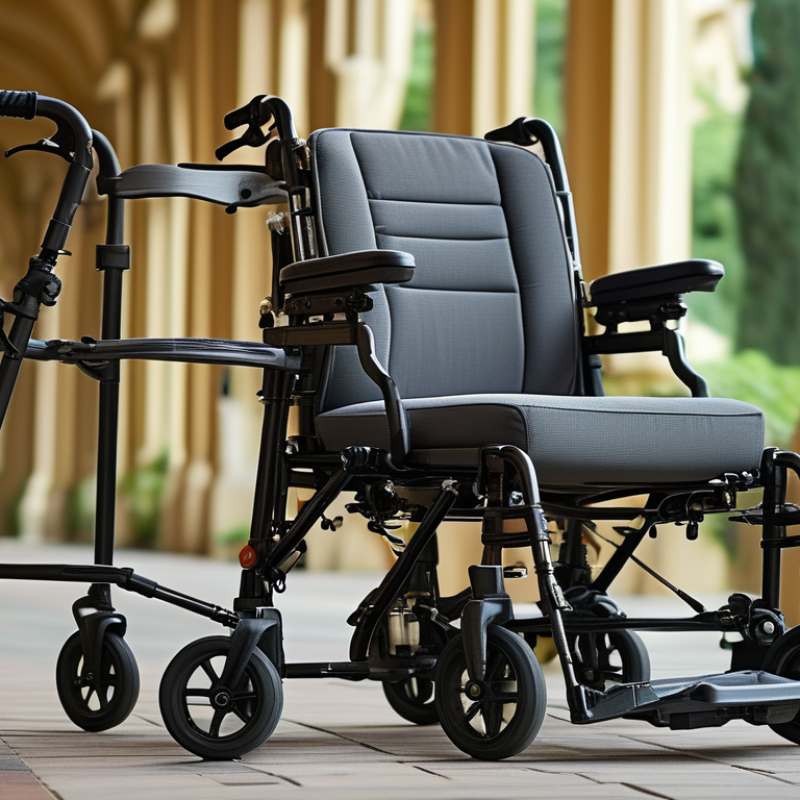
When considering mobility aids, understanding the difference between walkers and rollators is essential. Walkers typically offer stability through a simple design. They have four legs and require users to lift and move them. Rollators, on the other hand, feature wheels. This allows for easier maneuverability. According to a 2021 industry report, approximately 40% of seniors using mobility devices prefer rollators due to their enhanced mobility.
Safety is another key factor. Many rollators come equipped with brakes and seats, providing additional support for users. A study from the Journal of Aging Research indicated that rollators can reduce fall risks by up to 50%. This is crucial for elderly individuals, as falls can lead to severe injuries. However, some users may struggle with the complexity of rollators. A walker can be more straightforward, but it may not provide as much independence for those who need to navigate longer distances.
It's essential to evaluate individual needs. Some may find a walker sufficient for short trips. Others might require a rollator for greater distances or mobility challenges. Understanding the specific uses can lead to better choices. Choosing the right aid can enhance life quality and independence.
This chart compares the key features of walkers and rollators based on various dimensions such as stability, portability, usability, comfort, and cost, rated on a scale of 1 to 10.
When evaluating your mobility needs, consider your environment and daily activities.
A walker offers stability and support, suitable for indoor use. It's ideal for those who need extra help while walking, especially in familiar settings.
On the other hand, a rollator provides more versatility. It features wheels, allowing users to glide easily over various surfaces.
This option is better for outdoor activities and longer distances, offering rest with its built-in seat.
Tips: Assess your typical walking surfaces. If you navigate uneven sidewalks or grassy areas,
a rollator might be best. Also, think about your stamina. If you tire easily, a rollator's seat allows for convenient breaks.
Reflect on your lifestyle. Do you enjoy social activities? If so, a rollator can enhance your mobility.
However, if you primarily walk at home and need something simple, a walker may suffice.
Take time to understand your options thoroughly, considering your unique circumstances.
Choices should reflect your personal comfort and safety needs.
Choosing the right mobility aid can be daunting. Assessing stability and support features is essential. Walkers offer a simple design with basic support. They usually have four legs and can provide a sturdy frame. However, they may lack some stability. Users must ensure they have enough strength to lift and move the walker forward. This can be a challenge for some individuals.
Rollators, on the other hand, come with wheels. They are generally lighter and easier to maneuver. Most have hand brakes, which enhance safety. Users can sit down on them when needed. However, they may roll away if not properly secured. It’s important to evaluate personal balance and comfort level. The choice depends on how much support is required.
Reflecting on past experiences can guide your decision. Some people benefit from both options. They might start with a walker and progress to a rollator. Others may find that a rollator fits their needs better from the beginning. Observing daily activities can shed light on what feels safer. Design comfort and stability should not be overlooked.
When choosing between a walker and a rollator, weight is a critical factor. Walkers typically weigh less, averaging around 6-10 pounds. This can be advantageous for users who have upper body strength and need simplicity. Rollators, on the other hand, can weigh between 15-25 pounds, as they have added components like wheels and brakes. For some, this extra weight can be a barrier to mobility.
Maneuverability presents another key difference. Rollators feature wheels that allow for smoother movement over various surfaces. Studies indicate that rollators reduce the risk of falls by 30%, thanks to their design. In contrast, walkers provide stability but often require more effort to lift and move. Users may find themselves fatigued more quickly when using a standard walker.
Storage options can heavily influence your choice. Rollators often fold up, making them easier to store and transport. This feature allows users to take their mobility aid on trips. Walkers, in comparison, can be bulkier and may take up more space when not in use. However, some users feel that they are less aesthetically pleasing. Aesthetics can influence the choice, impacting user confidence and willingness to use the device.
Determining your budget for a walker or rollator can significantly impact your decision. The average cost of walkers ranges from
$50 to $200, while rollators often start at $100 and can exceed $500. According to industry reports, many users prioritize affordability when selecting mobility aids.
However, investing in higher-quality options may enhance stability and comfort over time.
Long-term use considerations are vital as well. Studies indicate that individuals using mobility aids for extended periods may experience
improved mobility and independence. A well-chosen rollator can offer better support for those with chronic conditions. Conversely, some walkers may not provide the needed durability if used daily.
It’s essential to evaluate your specific needs. The user’s lifestyle, weight capacity, and frequency of use are factors that influence this choice.
For users who may progress in mobility requirements, opting for a rollator could be a wise choice. Not all devices perform equally.
Budget limitations might lead to difficult decisions. You must balance immediate affordability with potential long-term investment in health and mobility.
: Assess stability, support features, personal balance, and comfort level before making a decision.
Walkers are simple, sturdy, and generally weigh less, making them easier to use for some individuals.
Rollators have wheels and hand brakes that improve maneuverability and prevent rolling away when not secured.
Weight, maneuverability, storage options, and personal mobility needs are key factors in this decision.
Walkers are lighter, while rollators may be heavier. Heavier devices can limit mobility for some users.
Yes, aesthetics can affect user confidence and willingness to use the device regularly.
Costs vary significantly between walkers and rollators, influencing what users can afford to choose.
Consider how often the device will be used and whether it provides the needed support for extended use.
Walkers may not be as stable or easy to maneuver, leading to quicker fatigue for some users.
Reflecting on what worked or didn’t in past experiences can guide you toward the best decision.
Choosing between a walker and a rollator involves understanding the fundamental differences between these mobility aids. Walkers generally provide a stable, supportive structure without wheels, making them ideal for those needing maximum stability while walking. In contrast, rollators come equipped with wheels, allowing for smoother navigation, but require a bit more balance and strength from the user.
When deciding, it's important to evaluate your mobility needs and lifestyle. Consider factors such as stability, weight, maneuverability, and storage options. Additionally, understanding your budget and long-term usage plans is crucial. Ultimately, knowing "what is the difference between a walker and a rollator?" will help you make an informed choice that best suits your mobility requirements and everyday activities.

Iowa Medical