Choosing between a bed rail and a grab bar can feel straightforward—until you consider where support is needed. A rail beside the mattress may help someone reposition, sit up, or steady themselves while getting out of bed. A grab bar is usually fixed to a wall near a shower, toilet, or other transfer point. They serve different tasks. Neither is automatically safer for every person or room.
Bed rails vs. assist grab bars: which provides better support? The answer depends on the user’s balance, strength, mobility, and daily routine. Picture a person reaching for support beside a narrow bed, then facing a slippery bathroom floor minutes later. One device may help in one moment and be useless in the next. Fit matters, too: rails must suit the bed and mattress, while grab bars need secure installation in an appropriate surface. A towel bar is not a substitute.
This guide compares common uses, installation considerations, and questions to ask before choosing. It also notes situations where a clinician or occupational therapist can assess the home and the person’s transfer needs. Product labels alone cannot tell the whole story. Real homes are messier than product charts suggest, and a device that works well for one person may create a reach or movement problem for another. There may not be one perfect answer. The goal is practical support that fits the person, the space, and the way they actually move.
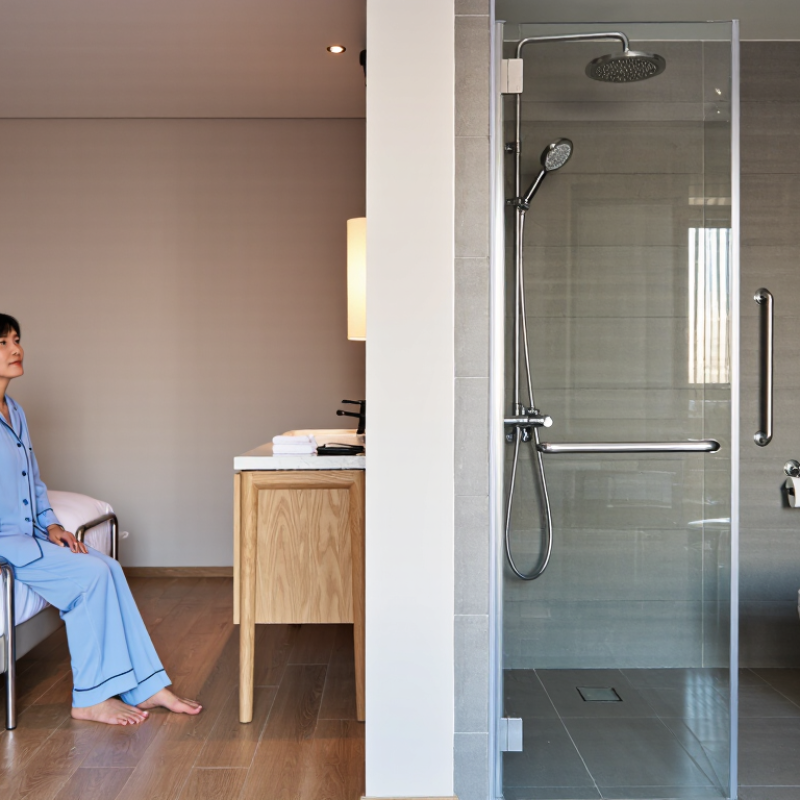
Bed rails and grab bars support different movements. A bed rail sits beside the mattress, offering a handhold for rolling, sitting up, or moving between bed and standing. Its usefulness depends on the user’s strength, mattress height, and ability to grip. It is not a guarantee against falling. The U.S. Food and Drug Administration warns that adult portable bed rails can create dangerous entrapment gaps if they do not fit the bed and mattress correctly. Measure carefully, follow the device instructions, and check for shifting or gaps. Small gaps matter.
Grab bars are anchored handholds for balance and controlled movement, often near toilets, showers, or entry steps. They can help someone steady themselves during a transfer, but a loose bar or towel rack is not a safe substitute. Installation into suitable structural support is essential. The CDC’s Older Adult Falls Data reports that about one in four adults aged 65 and older falls each year. That statistic signals a real risk, but it cannot identify the right support for one person. Consider where assistance is needed, how the person moves, and whether a clinician or occupational therapist can assess the setup. A rail may feel reassuring, yet the fit can still be wrong.
A bed rail sits beside the mattress. It can help with rolling, sitting up, or moving toward a walker. A grab bar belongs where the movement happens: beside a toilet, inside a shower, or along a bathroom route. Placement matters. The CDC estimates that more than 14 million U.S. adults aged 65 and older report a fall each year, roughly one in four. This makes the route between bed and bathroom worth considering, not just the equipment beside either one.
Use a bed rail for bed-specific support, not as a substitute for a wall-mounted bar. Use grab bars for standing, turning, and lowering yourself near a toilet or shower. They should be securely anchored to suitable wall framing; a towel bar is not a safe handhold. The FDA warns that gaps between a bed rail, mattress, and frame can create entrapment hazards. Check compatibility and fit carefully. That sounds simple, but real bedrooms rarely cooperate.
Match the choice to the person’s movement and the room. If someone pulls hard while standing, a properly installed grab bar may suit that task better than a bed rail. If getting upright from the mattress is the main challenge, a compatible rail may help. A clinician or occupational therapist can assess transfer technique and placement in the actual home. The best position is not always obvious from a floor plan.
| Comparison | Bed Rails | Grab Bars |
|---|---|---|
| Typical placement | At the side of a bed, usually secured to or positioned beside the bed frame, according to the product’s instructions. | On a wall or other suitable fixed structure, commonly near a toilet, shower, bathtub, or step. |
| Main purpose | May provide a handhold for repositioning, sitting up, or moving between lying and sitting positions. Some designs also create a boundary beside the mattress. | Provides a stable handhold for balance or support while standing, sitting, or changing position near the installed location. |
| Best suited to | People who need support while getting in or out of bed or changing position in bed, when the rail is appropriate for their needs and bed setup. | People who need support at a specific fixed point, such as beside a toilet or in a bathing area. |
| How it is supported | Often attaches to or works with a compatible bed frame or mattress arrangement. Fit and secure installation depend on the specific design. | Must be securely fixed to an appropriate structural support or installed with a mounting system suitable for the wall and intended load. |
| Portability | Some models can be moved with the bed or repositioned, but portability and compatibility vary by design. | Usually remains in one place after installation; moving it generally requires a new installation. |
| Key placement consideration | Check for gaps between the rail, mattress, and bed frame, and make sure the rail does not interfere with transfers or bedding. | Place within comfortable reach for the intended movement. Avoid installing where the bar cannot be grasped securely or where it obstructs access. |
| Important safety check | Bed rails can create entrapment or fall hazards if they are incompatible with the bed, mattress, or user. Follow the manufacturer’s instructions and seek professional advice when needed. | A grab bar is only as secure as its installation and supporting structure. A towel bar or other non-support fixture should not be treated as a grab bar. |
| Not a substitute for | Bathroom support, a properly installed grab bar, or individualized fall-risk assessment. | Bedside repositioning support or a bed rail designed for a compatible bed. |
| Before choosing | Consider bed and mattress compatibility, the user’s mobility, transfer method, and whether the rail could create a gap or restrict movement. | Consider the task, reach, grip, mounting surface, and whether a qualified installer or occupational therapist should assess the location. |
Safety note: Neither product guarantees prevention of falls. Choose support based on the person’s abilities and the specific task, and consult a healthcare professional or qualified installer if safety or fit is uncertain.
Choosing between bed rails and grab bars starts with the movement that feels hardest. A bed rail may help someone turn, sit up, or steady themselves while moving from lying to sitting. It is most useful beside a bed, not across a bathroom or hallway. A grab bar supports standing, pivoting, or stepping through a specific area, such as beside a toilet or inside a shower. Think about the exact task. Does the person need leverage from a mattress, or a fixed handhold on a wall?
Watch the movement in its usual setting. Notice whether the person can grip firmly, bear weight through one or both arms, and follow simple transfer steps. Small details matter: mattress height, a narrow gap beside the bed, wet flooring, and the direction a person turns. A loose or poorly placed support can create new hazards. Neither option suits every person. Bed rails can also pose entrapment risks, so fit and use should be checked carefully. Have a qualified clinician or occupational therapist assess the setup when balance, cognition, or strength is changing. That extra check may feel inconvenient. It can prevent a poor match.
Match the support to the movement: bed rails are typically suited to bed mobility, while grab bars are typically suited to supported standing and bathroom transfers.
How to read this chart: Ratings from 1 (limited task fit) to 5 (stronger task fit) are illustrative comparisons based on each option’s typical purpose—not clinical measurements or a safety guarantee. Choose and install supports for the person, bed, and location. Bed rails can create entrapment risks; grab bars must be securely installed. Seek advice from a qualified healthcare professional when unsure.
The right support depends on the movement you need. A bed rail can help with repositioning or moving from lying to sitting, while a grab bar offers a handhold near a toilet, shower, or doorway. CDC data show that about one in four adults aged 65 and older falls each year. That makes placement and secure installation more than small details. A rail is not automatically safer. The FDA warns that some adult portable bed rails can create entrapment hazards, so check for gaps between the rail, mattress, and bed frame.
Tips: Measure the mattress height and thickness, then test the support where you actually stand or turn. Grab bars should attach to suitable structural support, not just drywall. Check the manufacturer’s installation instructions and weight limits. For bed rails, confirm compatibility with the bed and mattress, and make sure the rail cannot shift when pressed. If the user has memory, balance, or mobility challenges, ask a clinician or occupational therapist to assess the setup.
Fit matters in daily use. A rail that is too high may be hard to grip; one placed too far away can encourage unsafe reaching. Walk through the movement slowly, with someone nearby. It may feel awkward at first, and that is worth noticing. Recheck fasteners regularly, especially after moving the bed or changing the mattress.
Choosing between bed rails and grab bars starts with watching the exact movement that feels difficult. Does the person need help rolling, sitting up, or rising beside the bed? A bed rail may provide a handhold for those tasks. A grab bar is usually better for steadying someone during a bathroom transfer or while standing. Not interchangeable.
The CDC reports that more than 14 million U.S. adults aged 65 and older fall each year, about one in four. That figure signals risk, not proof that either device prevents falls.
The U.S. Food and Drug Administration warns that adult portable bed rails can create entrapment hazards. Check for gaps between the rail, mattress, and bed frame, and follow the device’s fitting instructions. Small gaps matter.
For a bathroom, choose a grab bar placed where the user naturally reaches, such as beside the toilet or inside the shower. It needs secure installation into suitable structural support; a towel bar is not a substitute. For a bedside rail, check mattress fit and whether the person can enter and leave without getting trapped. I would not choose by appearance alone. A physical or occupational therapist can observe the transfer and recommend placement. The right device still may not solve poor balance, low lighting, or slippery flooring.
It offers a handhold for rolling, sitting up, or rising beside the bed. It does not guarantee protection from falls.
A grab bar can help steady someone near a toilet, inside a shower, or by entry steps. It must be firmly anchored.
No. A towel bar may not support someone’s weight during a transfer. Secure installation into suitable structural support matters.
Follow the fitting instructions and check the rail, mattress, and bed frame for gaps or shifting. Small gaps matter.
Watch the exact movement that feels difficult: rolling, standing, or transferring to a toilet. Appearance alone tells very little.
They may offer a handhold, but they cannot fix every balance problem. Poor lighting and slippery floors still matter.
About one in four adults aged 65 and older falls each year, according to the article. That figure cannot identify the right support for one person.
A clinician or occupational therapist can observe the movement and suggest placement. I might be oversimplifying; one visit may not reveal every daily difficulty.
Choosing between bed rails and grab bars depends on where support is needed and how a person moves. Bed rails are positioned beside a mattress to assist with repositioning, sitting up, or moving between the bed and a standing position. Grab bars are mounted near places such as a bed, doorway, or bathroom area, providing a stable handhold during transfers and while walking short distances. Bed rails vs. assist grab bars: which provides better support? Neither is universally better; the right option depends on the user’s mobility, balance, reach, and daily routines.
Before selecting either option, consider the person’s strength and movement patterns, the support’s placement, and whether it fits the bed or surrounding space securely. Check that the equipment is stable, appropriate for the intended use, and installed according to its instructions. A well-matched support can make common movements feel more manageable, while an unsuitable or poorly fitted one may create difficulty. The best choice is the one that provides useful, accessible support without obstructing movement.

Iowa Medical