Navigating carpets can be challenging for those using walkers. Many users worry about stability and safety. It's crucial to address the question: *How to prevent falls when using a walker on carpet?* A few simple strategies can significantly enhance safety.
Carpets often create uneven surfaces. This increases the risk of tripping. It's essential to choose walkers designed for use on carpets. Look for models with larger wheels to provide better support. Regularly check the walker for wear and tear, as a faulty device can lead to accidents.
Another important aspect is the user's technique when using a walker. Proper posture and use of the walker can prevent falls. Taking smaller, steady steps while maintaining focus can make a difference. Additionally, ensuring that carpets are well-maintained and free of obstacles adds an extra layer of security. By embracing these tips, users can feel more confident and secure while navigating their environments.
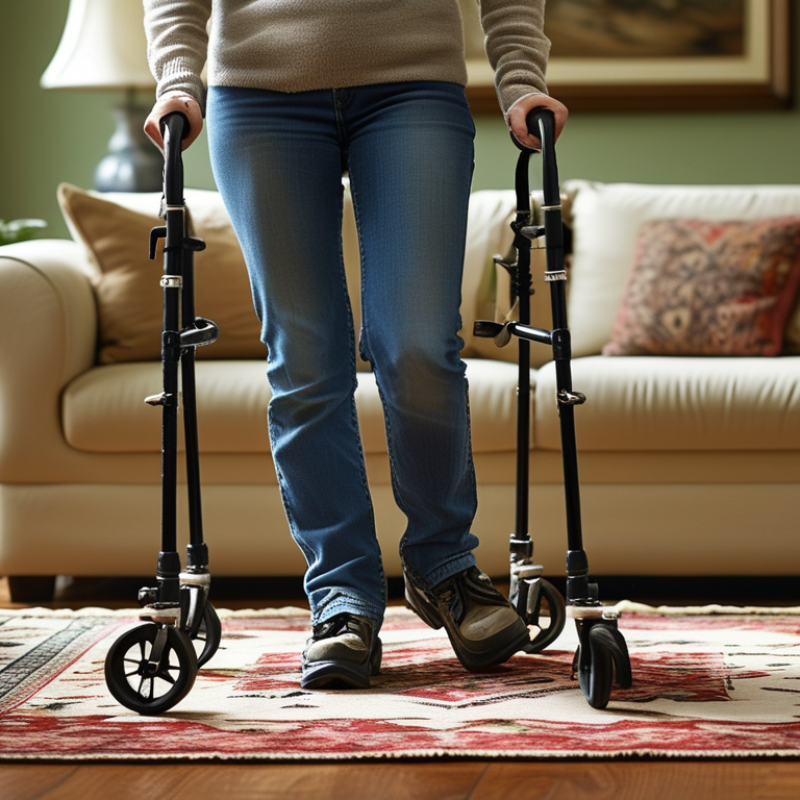
Using a walker on carpet presents unique challenges. The soft surface can create resistance, making it harder to move. This resistance can lead to uneven weight distribution and instability. Users may find it difficult to lift the walker, causing potential slips or falls. Additionally, carpets with high piles can further complicate mobility. It is essential to be vigilant about your surroundings.
Carpeted floors can also hide obstacles like uneven edges or loose fibers. These hidden dangers can trip anyone unaware. Consider using a walker with larger, rubberized wheels designed for carpeted surfaces. This adaptation can aid movement and improve stability. Users should regularly check their walkers for wear and tear. Worn-out grips or malfunctioning brakes can exacerbate safety concerns.
Training is vital. Engaging in exercises that improve balance and strength can help users navigate carpets confidently. It might feel uncomfortable at first, but gradual practice enhances stability. Beyond physical skills, mental preparation is equally important. Awareness of foot placement and walker position can reduce the risk of accidents. While the goal is safety, users may need to reassess strategies if challenges persist. Sharing experiences with others can provide fresh insights and solutions.
When selecting a walker for carpet surfaces, consider the type of wheels. Larger wheels may glide more smoothly over thick carpet textures. They can reduce the effort needed to move, enhancing stability. Smaller wheels can struggle, causing slips and accidents. It’s essential to choose a walker that matches the carpet type in your home. Additionally, examine the weight and frame material. A lightweight walker may be easier to handle on carpets but needs adequate sturdiness for safety.
Handgrips also play an important role. Ergonomic designs can enhance comfort while using a walker. Adjustability ensures proper height for users, which minimizes strain. It might be good to test different walkers. Check how they feel on your carpet before making a decision. While some may find the perfect match quickly, others might face challenges.
Reflecting on past experiences with various walkers can be enlightening. Was the initial choice suitable, or did it lead to falls? Learn from these moments. Safety and comfort should never be compromised, especially on challenging surfaces like carpet. Experimentation with different features can make a significant difference in your safety and mobility.
| Tip | Description | Effectiveness |
|---|---|---|
| Choose the Right Walker | Select a walker designed specifically for carpet surfaces to ensure stability. | High |
| Adjust Height Appropriately | Ensure the walker is adjusted to the correct height for comfortable use. | Medium |
| Use Anti-Slip Tips | Equip the walker with anti-slip tips for better grip on carpet. | High |
| Test the Walker on Carpet | Before frequent use, test the walker on the carpet to ensure it moves smoothly. | Medium |
| Keep Pathways Clear | Remove any obstacles or clutter from the walker’s path to prevent accidents. | High |
| Practice Walking Techniques | Engage in practice sessions to improve balance and walker technique. | Medium |
| Consider Professional Advice | Consult a healthcare professional for personalized recommendations. | High |
Walking on carpet with a walker can pose unique challenges. Research indicates that slips and falls account for a significant number of injuries among seniors. In fact, older adults experience approximately 36 million falls annually, leading to over 32,000 deaths, according to the Centers for Disease Control and Prevention. To enhance stability, it's crucial to adopt specific techniques when using a walker on carpeted surfaces.
One effective strategy is to ensure that the walker has rubber tips or specialized grips meant for carpets. These provide added friction and minimize the risk of sliding. Additionally, maintaining a wide stance while moving can help distribute weight more evenly. This balance technique reduces the likelihood of falls, especially on uneven carpet textures. Positioning the walker slightly ahead can also help in creating a smoother transition while advancing.
Practicing steady and deliberate movements is essential. Quick transitions may lead to loss of balance. Furthermore, users may benefit from regular exercise aimed at strengthening leg muscles. Reports suggest that seniors who participate in balance and strength training show a 30% reduction in fall risk. Relying solely on the walker without incorporating body awareness or control can lead to complacency, which may increase vulnerability. Implementing these techniques can significantly enhance safety and stability when navigating carpets.
Adjusting the height of a walker is crucial for safety, especially on carpets. When a walker is set too high or too low, it can cause instability. This instability increases the risk of falls. To find the right height, stand in front of the walker and grasp the handgrips. Your elbows should be slightly bent, about 15 degrees. If your arms extend too straight or cramp your elbows, adjust the height accordingly.
Consider the type of carpet in your home. Thick, plush carpets can make a walker sink, leading to balance issues. It's essential to test the walker on different carpet types before regular use. If the walker feels unsteady, it could mean it needs an adjustment. Also, check for any loose parts or wear. A well-maintained walker offers better support and reduces fall risks. Finally, always ensure that the feet of the walker are clean and free from debris. This simple action can enhance grip and stability.
Navigating carpeted areas with a walker can be challenging. Despite being seen as safe, carpets can pose risks. A study from the National Center for Injury Prevention shows that falls among older adults often occur in the home. The risk increases on carpets due to uneven surfaces and loose fibers.
Choosing the right walker is crucial. A walker with larger, rubber wheels may be easier to maneuver over carpet. This allows for better stability. Additionally, keeping the carpet clean and free from clutter can enhance safety. Loose rugs or decor can create tripping hazards.
Proper walker height is equally important. Using a walker that is not adjusted correctly can lead to strain or falls. Ideally, when standing straight, the walker’s handles should reach the wrist. A survey by the Aging Research Center found that 70% of falls involve issues with mobility devices. Users should regularly check their walkers for wear and tear. Reinforcing good practices can help reduce risks when moving across carpets.
: Larger wheels glide better over thick carpet. They help reduce effort and enhance stability.
The type of wheels, weight, and frame material are essential factors. Choose one that fits your carpet type.
Yes, ergonomic designs provide better comfort. Adjustable heights minimize strain during use.
Absolutely. Testing helps to find the best feel on your carpet. Some might have challenges finding the right one.
Carpets can create slips and tripping hazards, especially with loose fibers or uneven surfaces.
Keep carpets clean and clutter-free. Loose rugs can pose risks, so remove those obstacles.
Incorrect height can lead to strain or falls. Handles should reach your wrist when standing straight.
Regular checks for wear and tear are essential. This practice helps maintain safety and functionality.
Yes, reflecting on previous choices can highlight what to avoid. It's important for your safety and comfort.
Experiment with different features and modifications. Finding the right match is crucial for mobility.
Using a walker on carpet can pose unique challenges, primarily due to the uneven surface and resistance that carpet provides. To prevent falls when using a walker on carpet, it is essential to choose the right type of walker specifically designed for carpeted areas. Ensuring the walker is at the correct height is crucial, as this provides optimal support and reduces the risk of losing balance.
Additionally, employing specific techniques to improve stability, such as taking smaller steps and ensuring the walker is firmly placed before moving, can greatly enhance safety. Navigating through carpeted areas requires awareness and caution, making it important to look ahead and plan movements carefully. By understanding these factors and implementing practical tips, individuals can significantly reduce the risk of falls when using a walker on carpet.

Iowa Medical