In the discussion of home safety, the debate often centers around "Bed rails vs. assist grab bars: which provides better support?" Each option offers unique advantages and is designed to enhance mobility for individuals with varying needs. Bed rails can be lifelines for those who struggle to get in and out of bed. They provide an immediate source of support at a critical moment.
Conversely, assist grab bars are versatile fixtures that anchor stability in various rooms, particularly bathrooms. They are often placed strategically next to toilets and showers. This versatility can be crucial for preventing falls in slippery areas. The installation of these supports requires careful consideration. Users must assess their specific situations to identify which option truly meets their needs.
While bed rails may seem beneficial during rest, their utility can be limited. They may hinder movement for some users. Similarly, not all grab bars offer the necessary grip or strength. Preferences may vary based on individual circumstances. In weighing these two options, it’s important to consider all factors and strive for the best possible outcome for safety and independence.
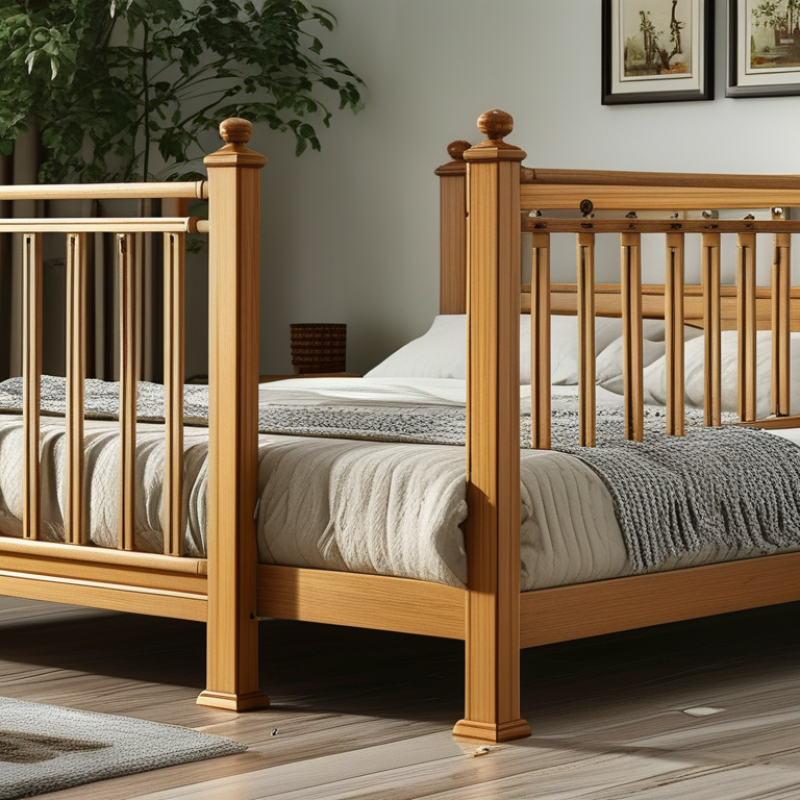
When considering mobility support for individuals with limited mobility, bed rails and assist grab bars are two common options. Bed rails provide security and stability, particularly for those who struggle to get in and out of bed. They can help prevent falls and give users something to hold onto. According to the National Institute on Aging, more than one-third of seniors experience falls each year, emphasizing the need for reliable support systems.
On the other hand, assist grab bars are typically installed in bathrooms and hallways. They offer a sturdy point of contact, which can be crucial in slippery areas. A study by the Centers for Disease Control and Prevention found that proper installation of grab bars can reduce fall risks by up to 50%. However, their effectiveness largely depends on proper usage and placement. Some users may find them uncomfortable or not positioned in the most helpful spots.
While both options have merits, the choice often depends on the user's needs and environment. Bed rails may not fit every bed type, and improper installation can compromise their safety. Grab bars require careful installation, as weak walls can lead to accidents. Understanding these nuances can guide individuals in making informed decisions about mobility support.
Bed rails serve as crucial support for elderly and disabled individuals. They offer stability when getting in and out of bed. A study from the National Institute on Aging shows that nearly 30% of seniors experience falls at home. Bed rails can reduce this risk. They provide a sense of security, allowing users to feel confident while moving.
Research indicates that bed rails can also improve independence. Many users report feeling less anxious about nighttime mobility. According to a report by the Centers for Disease Control and Prevention, using safety devices can significantly decrease the likelihood of injuries. However, it’s essential to ensure proper installation and height adjustment. Misalignment may render them ineffective, potentially causing accidents.
That said, bed rails are not without drawbacks. Some users may feel restricted or cramped, affecting their sleep quality. Regular assessment is crucial, as the needs of elderly and disabled individuals can change over time. Think about comfort as well as safety when considering bed rails as an option. Proper support enhances security but must be balanced with user preferences.
Assist grab bars are increasingly recognized as essential aids for daily activities. They offer reliable support when getting in and out of the shower or using the toilet. These bars are often installed near areas where falls are likely to occur. The solid grip provided by grab bars can enhance safety and confidence during these activities. Proper installation is crucial, as poorly secured bars may not provide adequate support.
Users often find that grab bars allow for more independence compared to bed rails. While bed rails offer support while in bed, they may not be as functional for everyday tasks. Grab bars serve multiple purposes and can be positioned according to individual needs. They can support a wide range of actions, from lifting oneself up to standing correctly. This flexibility makes them a better investment in safety for many.
While grab bars seem beneficial, there are considerations to keep in mind. Not everyone may feel comfortable using them initially. Some may find it challenging to rely on them fully. Training on proper use can help users overcome these hurdles. It's essential to assess if the positioning fits personal routines effectively. Addressing these concerns can lead to improved safety and ease in daily living.
When considering bed rails and grab bars for support, several factors influence the decision. One crucial element is safety. According to a report by the National Institute on Aging, falls among older adults can lead to severe injuries. Bed rails can prevent falls from the bed, yet they may pose risks themselves. The Consumer Product Safety Commission noted that improperly installed bed rails have caused entrapment and injury.
Another important factor is the user's mobility and strength. Individuals with limited upper body strength might benefit more from grab bars. A study highlighted that grab bars provide stable support when moving from a seated to a standing position. They also offer assistance in bathrooms, a common area for falls. Grab bars can be customized and installed in various locations, allowing for versatile support.
Comfort and ease of use also matter. Bed rails can feel restrictive to some individuals. Conversely, grab bars offer a sense of independence. A survey revealed that users preferred grab bars over bed rails for daily tasks. Both options have pros and cons, and personal preferences should guide the decision. Understanding each choice's nuances will lead to better support and minimize fall risks.
User experiences surrounding bed rails and grab bars provide valuable insights into their effectiveness. Many users report feeling safer with grab bars in bathrooms. They appreciate the stability when transitioning from sitting to standing. The fixed position of grab bars offers a certain assurance. Users often share stories of avoiding slips and falls, which can lead to serious injuries.
In contrast, bed rails also have their advocates. Several individuals mention how bed rails help them get in and out of bed. However, some have experienced challenges with adjusting their use. A few users felt confined by the structure, leading to moments of hesitation. There is often a need for more awareness regarding proper installation and support to maximize safety.
Both options have their strengths and weaknesses. User experiences indicate that personal preferences play a significant role. Comfort with devices and unique living situations influence choices. Feedback suggests that understanding individual needs is crucial for ensuring safety and ease of access.
: Bed rails provide support and stability for individuals getting in and out of bed. They help prevent falls.
Grab bars offer secure points for support, particularly in slippery areas like bathrooms and hallways. They enhance safety.
No, bed rails may not fit every bed type. Improper installation can compromise their safety and effectiveness.
Grab bars enhance independence and confidence during daily tasks like showering and using the toilet.
Yes, many users report feeling less anxious while moving at night, thanks to the security bed rails provide.
Some users may feel uncomfortable using grab bars at first or struggle with their positioning in daily routines.
Proper installation is crucial. Weak walls or misalignment can lead to accidents or ineffective support, impacting safety.
Yes, regular assessment of needs is essential, as they can evolve with the individual’s condition and comfort levels.
Consider both safety and comfort. Users' preferences matter, as feeling restricted can affect their quality of life.
Not always. Some users may need training or time to adjust to relying on aids like bed rails or grab bars.
In the discussion of "Bed rails vs. assist grab bars: which provides better support?", it's essential to evaluate their effectiveness in aiding mobility, particularly for elderly and disabled individuals. Bed rails offer significant benefits by providing stability and safety while getting in and out of bed, which can prevent falls during nighttime. Their design caters to the specific needs of those who may struggle with mobility in a sleep space.
Conversely, assist grab bars excel in everyday activities, ensuring safety in various contexts such as bathrooms and hallways. They offer versatile support for standing up or sitting down, making them a great choice for daily routines. When deciding between bed rails and grab bars, factors such as individual mobility limitations, living environment, and specific user experiences should be considered to determine which option offers better support tailored to individual needs.
Iowa Medical