In the realm of bathroom safety, the durability of bath chairs in humid environments is a significant concern. Many users ask, "Are bath chairs rust-proof in high humidity?" This question highlights the need for reliable information. A recent industry report revealed that up to 70% of bathroom equipment experiences rust and corrosion when exposed to moisture over time. The materials used in the construction of these chairs play a crucial role in their longevity and usability.
Stainless steel and aluminum are often marketed as corrosion-resistant. However, not all products meet the same standards. Some cheaper alternatives may not withstand the rigors of a humid bathroom. Consumers need to prioritize quality when selecting bath chairs. Furthermore, regular maintenance and inspection can help identify early signs of wear and tear, fostering a proactive approach to safety.
It's important to remember that while many bath chairs claim rust resistance, this is not universally guaranteed. The effectiveness of protective coatings can vary. Users should seek reliable brands with certifications or recommendations from health professionals. Ultimately, understanding the specific conditions and materials will inform better choices for home safety.
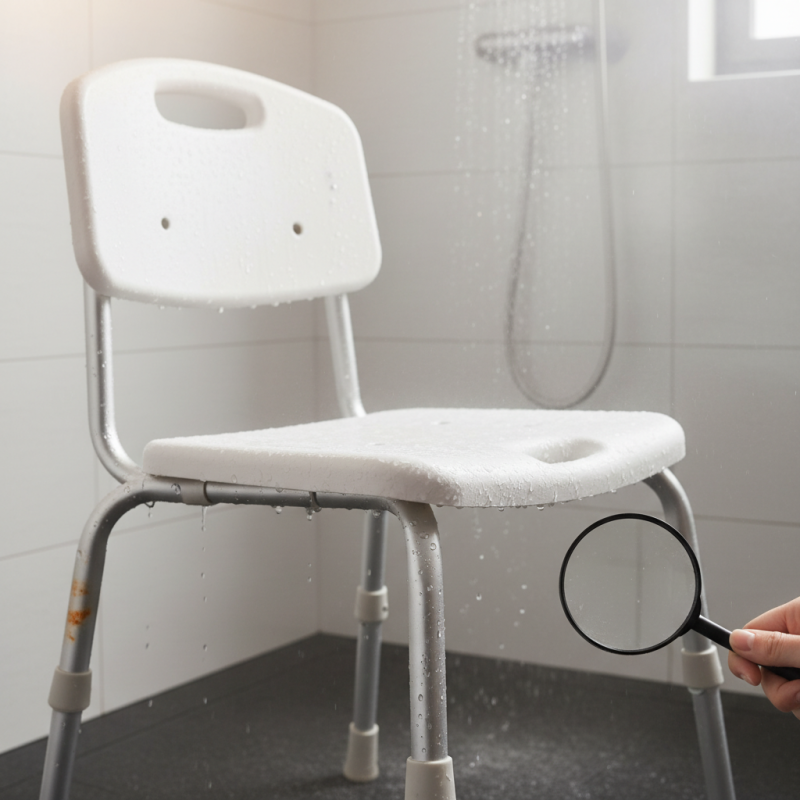
Rust is a common concern for many items in humid environments. Understanding how humidity interacts with metal is crucial. When moisture in the air combines with certain metals, rusting can occur. Humidity increases the likelihood of metal degradation, especially in bathrooms where water is frequent. Bath chairs made from less resistant metals tend to show signs of rust quicker.
Preventing rust involves choosing the right materials. Stainless steel and certain plastics resist corrosion better in humid conditions. However, not all stainless steel is created equal. Quality matters and poor grades can still rust. Regular maintenance can help but is not always foolproof. Observing a chair for any signs of rust is essential.
In humid areas, even the best materials need caution. Monitor for water pooling and dry surfaces regularly. A proactive approach can reduce rust formation. Reflecting on your choices can ensure a long-lasting bath chair experience. Evaluate the criteria for rust-resistant materials and make informed decisions.
This chart illustrates the rust resistance ratings of different materials commonly used in bath chairs under humid conditions. Stainless steel ranks highest due to its corrosion resistance, while materials like iron and plastic show significantly lower ratings.
Bath chairs are essential for individuals who require support and stability while bathing. Understanding the materials used in these chairs is crucial, especially in humid environments. The right material can greatly enhance durability and resistance to rust.
Many bath chairs are made from aluminum or plastic. Aluminum is lightweight and resistant to rust, making it a popular choice. However, it can corrode if the protective coating wears off. Plastic chairs, on the other hand, are typically rust-proof. They can withstand high humidity without degrading. Yet, not all plastics are equal. Some may become brittle over time.
Looking for signs of wear and tear is important for any bath chair. Regular checks can prevent accidents. Users often overlook these details, thinking that rust won’t be an issue. However, awareness about the materials can lead to better choices. A well-maintained chair makes bath time safer and more comfortable.
Humidity significantly influences the development of rust on bath chairs. In environments with high moisture levels, metal components are particularly vulnerable. According to a report from the Corrosion Engineering Institute, rust can form within just 48 hours in such conditions. This rapid onset underscores the importance of material choice for bath chairs used in humid areas.
Several factors contribute to rust development. The presence of chlorides, found in pool environments or salty air, accelerates the corrosion process. Studies show that even stainless steel, known for its resistance, can still corrode when subjected to constant humidity and chlorine exposure. This information suggests that not all "rust-proof" claims hold true in practice.
A common misconception is that coatings can provide eternal protection against rust. Over time, even high-quality paint or sealants can degrade. Additionally, scratches and wear can expose bare metal, making it vulnerable to rust. Regular maintenance is essential. Inspecting for damage and cleaning surfaces can extend the life of bath chairs, even in humid conditions. Understanding these factors helps consumers make informed choices.
Maintaining bath chairs in humid conditions can be challenging. While many materials claim to be rust-proof, regular care is essential. To keep your bath chair rust-free, start with regular inspections. Check for any signs of corrosion or damage. Even the smallest scratch can lead to rust if not addressed promptly.
Cleaning is another vital aspect. Use a gentle soap and water solution to wipe down the chair. Avoid harsh chemicals that can damage protective coatings. After cleaning, ensure the chair is thoroughly dry before storing it. This practice helps prevent moisture buildup, which is a primary cause of rust.
Additionally, consider applying a protective wax or sealant. This extra layer can provide additional defense against humidity. Pay attention to the areas where water tends to pool. These spots are often overlooked yet crucial for preventing rust. Remember, even small details matter in maintenance. Regular care can significantly extend the life of your bath chair.
| Material | Rust Resistance | Maintenance Tips | Recommended Frequency of Maintenance |
|---|---|---|---|
| Aluminum | Very High | Wipe down regularly; avoid harsh cleaners | Monthly |
| Stainless Steel | High | Clean with soap and water; dry after use | Biweekly |
| Plastic | None | Use mild soap and water; avoid high heat | As needed |
| Wood | Low | Regularly apply waterproof sealant | Every 6 months |
When selecting bath chairs for humid climates, rust resistance is critical. High humidity increases the likelihood of rust, impacting safety and durability. Research indicates that a significant percentage of bath chairs will corrode after repeated exposure to moisture. Materials such as plastic, aluminum, and stainless steel are commonly recommended for their rust-proof properties. Each offers distinct benefits depending on the specific environment and usage.
A recent industry report noted that aluminum chairs perform well in moist environments, as they resist rust without compromising weight or portability. However, they can be less durable over time when compared to stainless steel. On the other hand, stainless steel chairs are heavier but provide superior strength and longevity, making them a reliable choice for long-term use. Choosing a chair with powder-coated finishes can enhance rust resistance further, particularly in very humid areas.
It's essential to acknowledge that even rust-proof materials can show signs of wear. Regular maintenance remains necessary to ensure longevity. Users should routinely inspect bath chairs for any signs of corrosion and address issues immediately. While many options claim rust resistance, the effectiveness may vary based on specific conditions and care practices. Proper environment assessment and material choice are key to effective use.
: Rust occurs when moisture in the air combines with certain metals. High humidity accelerates metal degradation.
Rust can develop within just 48 hours in environments with high moisture levels.
Stainless steel and certain plastics resist corrosion. Quality stainless steel is vital for effective resistance.
No, coatings degrade over time. Scratches can expose metal, leading to rust despite the coating.
Regularly inspect for damage, clean surfaces, and monitor for water pooling. Maintenance is essential.
Yes, aluminum chairs resist rust but may be less durable over time compared to stainless steel options.
Chlorides, found in salty air or pools, accelerate the corrosion process on metal components.
No, even rust-proof materials can wear out. Regular maintenance and observation are still necessary.
High humidity increases rust risk, making material choice critical for safety and durability.
Assess rust resistance, weight, durability, and required maintenance to make informed choices. Reflect on your decisions.
The article "Are Bath Chairs Rust Proof in Humid Conditions?" explores the significant issue of rust development in bath chairs, particularly in high humidity environments. It begins with an overview of how rust forms and the impact of humidity, setting the stage for understanding the materials commonly used in bath chair manufacturing. Various materials are assessed for their rust resistance, highlighting which options are best suited for humid conditions.
Additionally, the piece discusses factors that accelerate rust development and provides essential maintenance tips to prolong the life of bath chairs. Finally, it offers a comparison of rust-proof alternatives specifically designed to withstand humid climates, addressing the critical question, "Are bath chairs rust-proof in high humidity?" Overall, the article serves as a practical guide for consumers looking to maintain rust-free bath chairs in challenging conditions.

Iowa Medical