Using a walking cane is common for many individuals seeking stability and support. However, ensuring the correct height for optimal use is crucial. Research indicates that improper cane height can lead to discomfort and increase fall risk. According to health professionals, suitable cane height makes a significant difference during ambulation.
So, how to adjust the height of a walking cane correctly? The process may seem trivial, yet many users overlook its importance. Studies show that 73% of cane users experience improved mobility when their canes are properly adjusted. This presents an essential reminder to check cane height regularly.
Height adjustments are not merely for comfort but are vital for effectiveness. A cane too short can lead to slouching. Conversely, a cane that's too tall may cause excessive reach, straining muscles. It's worth questioning: are you using your cane at the right height? Adjusting it properly contributes to more confident and secure movement, leading to a better quality of life.
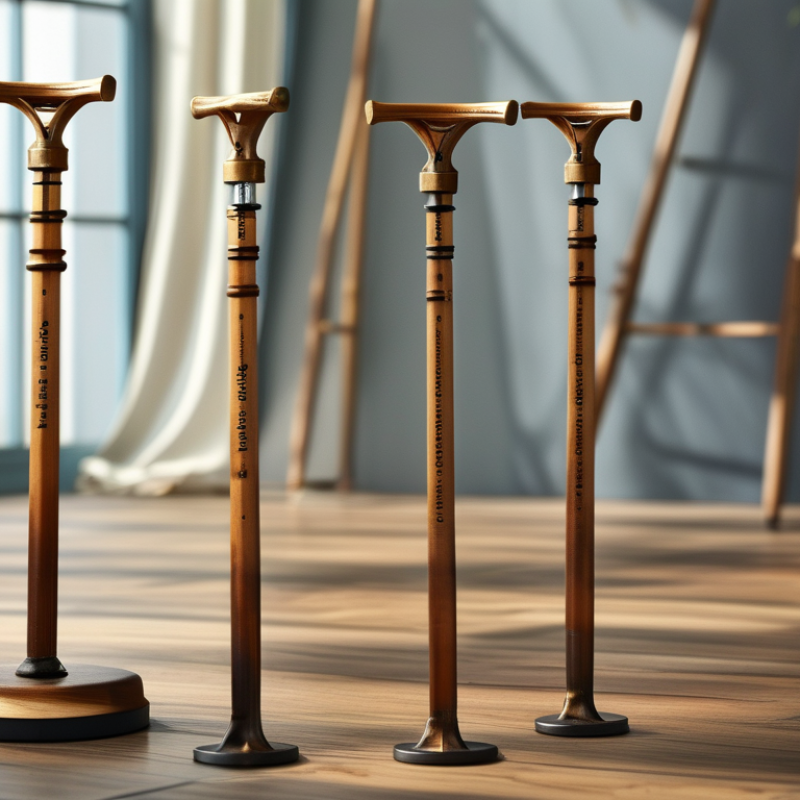
Choosing the right height for your walking cane is crucial for effective mobility and safety. When the cane is too tall or too short, it can lead to discomfort and increase the risk of falls. A cane that isn’t the proper height can cause strain on the wrist and shoulder, leading to long-term issues. Proper height helps maintain good posture, reducing the risk of back pain.
To find the right height, stand straight with your arms relaxed at your sides. A correctly adjusted cane should align with your wrist when your arm is straight. Adjustments are often necessary as your body changes or if you switch between different types of footwear.
Even small adjustments can have a significant impact on comfort. It might take time to find the perfect setup. You may find yourself having to readjust as you grow accustomed to the cane. Don’t hesitate to ask for help in determining the best adjustment. Often, seeking the advice of a medical professional can provide insights into what height works best for you.
Adjusting your walking cane height is a vital step for comfort and safety. Before you dive into this essential task, gather the necessary tools. You'll need a measuring tape, a marker or tape, and possibly an adjustable wrench, depending on your cane model. The measuring tape will help you determine the correct height.
Once you have your tools, take a moment to reflect on your current cane height. Is it truly comfortable? Are you straining your wrist when holding it? Many users forget to check their posture while walking. Improper height can lead to discomfort. After measuring, mark the desired cane height on the shaft.
If your cane is not adjustable, consider consulting a professional for guidance. It can be tempting to skip this step, but your body deserves the best care. An improperly adjusted cane can affect your balance. Embrace the process; it’s an opportunity to improve your mobility and ensure your walking experience is safe and enjoyable.
When adjusting your walking cane height, accurate measurements are crucial. A correctly sized cane can improve your stability and reduce strain on your joints. Start by measuring the distance from the floor to the wrist, while standing straight and relaxed. This is typically around the handle height you want for your cane. It’s essential to find this measurement accurately, as even a few inches can make a significant difference in comfort.
Consider the type of surface you walk on frequently. For uneven terrains, a slightly taller cane may be beneficial. However, a cane that is too high can cause issues over time, leading to poor posture or discomfort. Keep in mind how often you need to adjust the height. Some users find that certain settings become less comfortable after extended use. Testing your cane in different environments can help assess its fit. Adjustments may be necessary as your needs change. This trial and error process is common and helps ensure the cane is tailored to your lifestyle.
When adjusting the height of your walking cane, follow a systematic approach to ensure comfort and stability. Start by standing straight with your arms relaxed at your sides. The cane should align with your wrist when you hold it. This simple alignment can drastically improve your walking posture.
Next, examine the cane’s adjustable mechanism. Most canes have a push-button or a twist-and-lock feature. If you find this difficult, consider asking for help. Incorrect adjustment can lead to strain or even falls. It’s essential to test the height multiple times, making micro-adjustments until you find that sweet spot.
Pay attention to how the cane feels during your first few uses. A cane that feels slightly off can affect your balance. Listen to your body; fatigue or discomfort signals that further adjustments may be necessary. Regularly re-evaluate the height, especially if your needs change. Adapting your cane height is a continuous process, not a one-time task.
After adjusting the height of your walking cane, it’s essential to test for stability and comfort. The cane should support your weight without wobbling. According to recent studies, improper cane height can increase the risk of falls by up to 29%. This statistic underscores the importance of ensuring the cane is adjusted correctly.
Start by gripping the cane comfortably with your dominant hand. Your elbow should bend slightly, about 15 to 30 degrees, when your fingers rest on the handle. If your arm feels strained or elevated, the cane may be too short. Conversely, if your arm hangs too low, it may be too tall. Testing with your walking posture can reveal whether adjustments are necessary.
Once you determine the right height, practice walking with the cane. Notice how it feels as you move. Does it feel secure? Are you able to maintain balance easily? Users often report that an improper height can lead to discomfort after prolonged use. Listening to your body’s signals is crucial. If discomfort persists, reassess the adjustments made.
: The right height ensures effective mobility and safety, reducing the risk of falls.
An improper height can cause discomfort and strain on the wrist and shoulder.
Stand straight with relaxed arms. The cane should align with your wrist.
Adjustments may be necessary if your body changes or you wear different shoes.
Don’t hesitate to ask for help or seek advice from a medical professional.
Pay attention to how it feels during use. Discomfort may signal a need for readjustment.
Listen to your body; fatigue or discomfort may mean further adjustments are needed.
Regularly check the height, especially if your mobility needs change over time.
Adjusting your walking cane to the right height is crucial for ensuring stability and comfort while walking. In the article "How to Adjust Your Walking Cane Height in 5 Easy Steps," the importance of proper cane height is highlighted, emphasizing how it can influence your posture and balance. The article provides a comprehensive overview that includes gathering necessary tools, measuring your ideal cane height accurately, and a detailed step-by-step guide to adjusting the height of your walking cane correctly.
Finally, the article stresses the significance of testing the cane for stability and comfort after adjustment, ensuring that it's tailored to your specific needs. By following these guidelines, anyone can learn how to adjust the height of a walking cane correctly, enhancing their mobility and confidence.

Iowa Medical